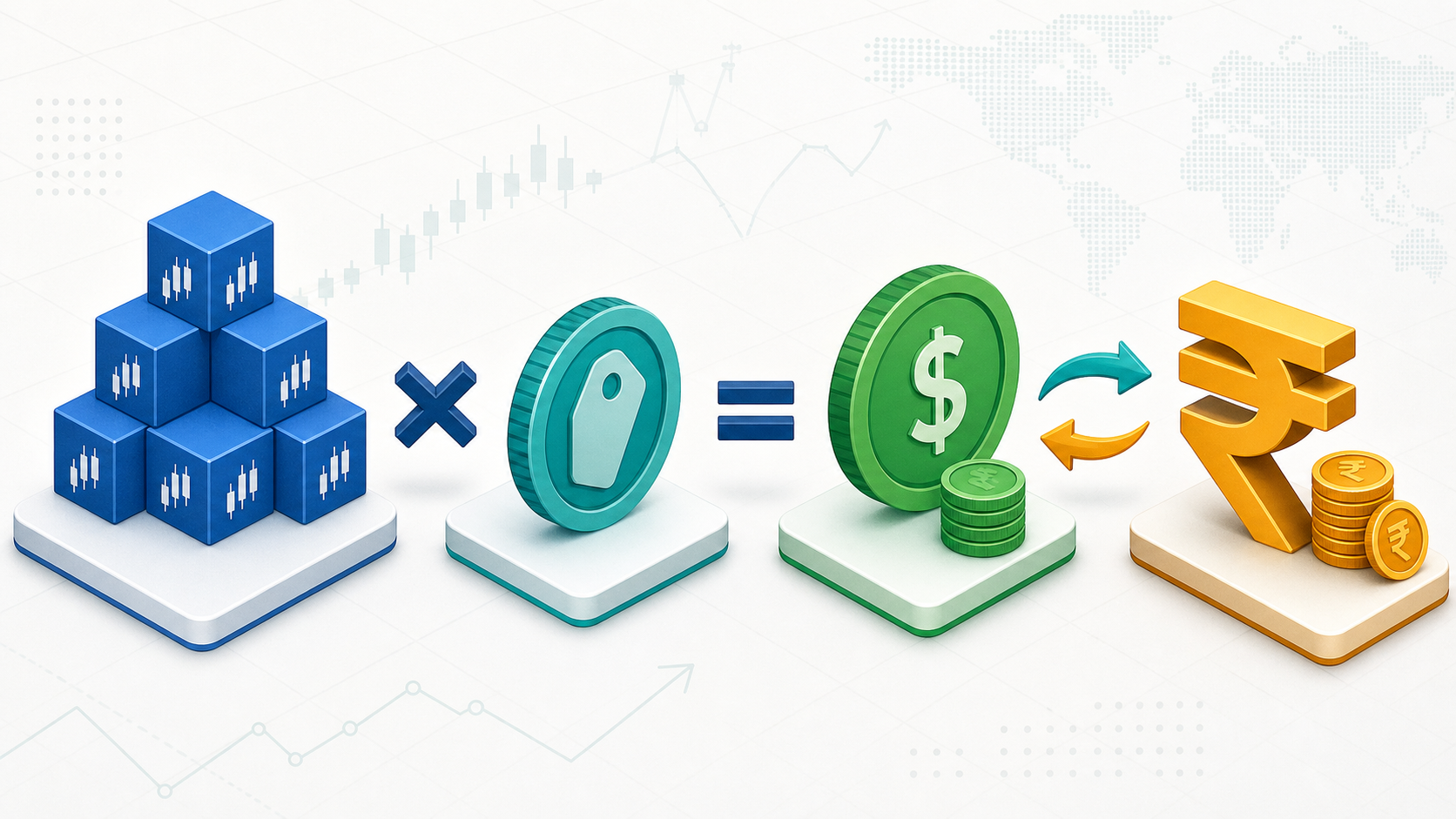
To calculate forex cashback, multiply your eligible closed trading volume by the rebate rate, then convert the result into your account currency if required. To find your effective trading cost, subtract that confirmed cashback from every cost attached to the same trades—not just the spread.
Basic formula: Forex cashback = eligible closed lots × cashback per lot. Effective trading cost = spread cost + round-turn commission + swap/financing + slippage + other trading charges − confirmed cashback.

How to Calculate Forex Cashback: Quick Formulas
The correct formula depends on how the rebate is quoted. Before calculating anything, confirm the instrument, account type, eligible volume, whether the rate is per side or round turn, the payout currency, and the programme’s exclusions.
| Rebate quotation | Formula | What to verify |
|---|---|---|
| Fixed cash per lot | Eligible closed lots × cash rate per lot | Standard-lot definition, round-turn treatment and payout currency |
| Pips per lot | Eligible lots × rebate pips × pip value per lot | Pip size, contract size, quote currency and conversion rate |
| Percentage of commission | Eligible commission paid × rebate percentage | Which commission components qualify and whether caps apply |
| Percentage of spread | Eligible spread cost × rebate percentage | Whether actual or assumed spread is used |
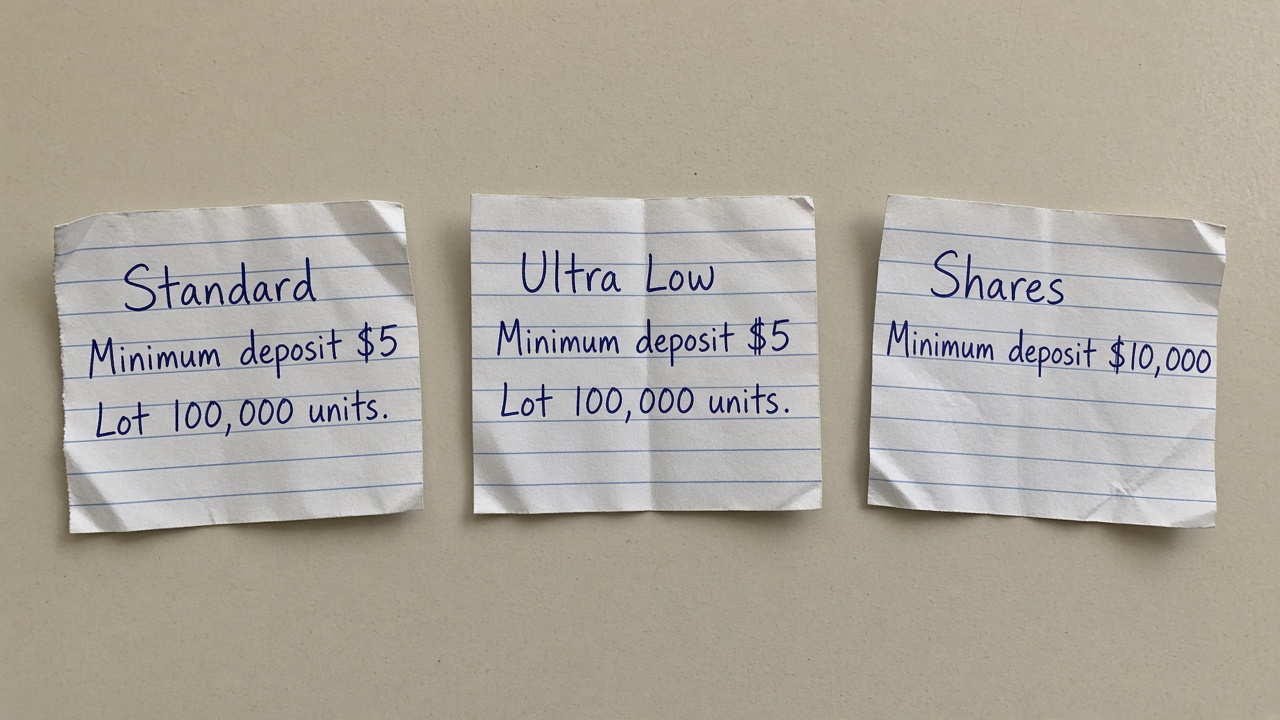
A “lot” is not universally the same economic exposure across forex, metals, indices and other contracts. Use the contract specification shown by the broker or exchange. Do not assume that one lot of gold earns or costs the same as one standard lot of EUR/USD.
Calculate Fixed Cashback per Lot
Suppose the published rate is USD 4 per eligible round-turn lot and the account closes 12.5 eligible lots during the payout period:
12.5 lots × USD 4 = USD 50 estimated cashback.
If the account reports volume in units, convert it using the applicable contract size. With a 100,000-unit standard lot, 250,000 eligible units equal 2.5 lots. A 0.10-lot trade earns one-tenth of the per-lot rate, provided fractional lots qualify.
Calculate a rebate quoted in pips
For a pip-based rebate, first determine the pip value in the quote currency:
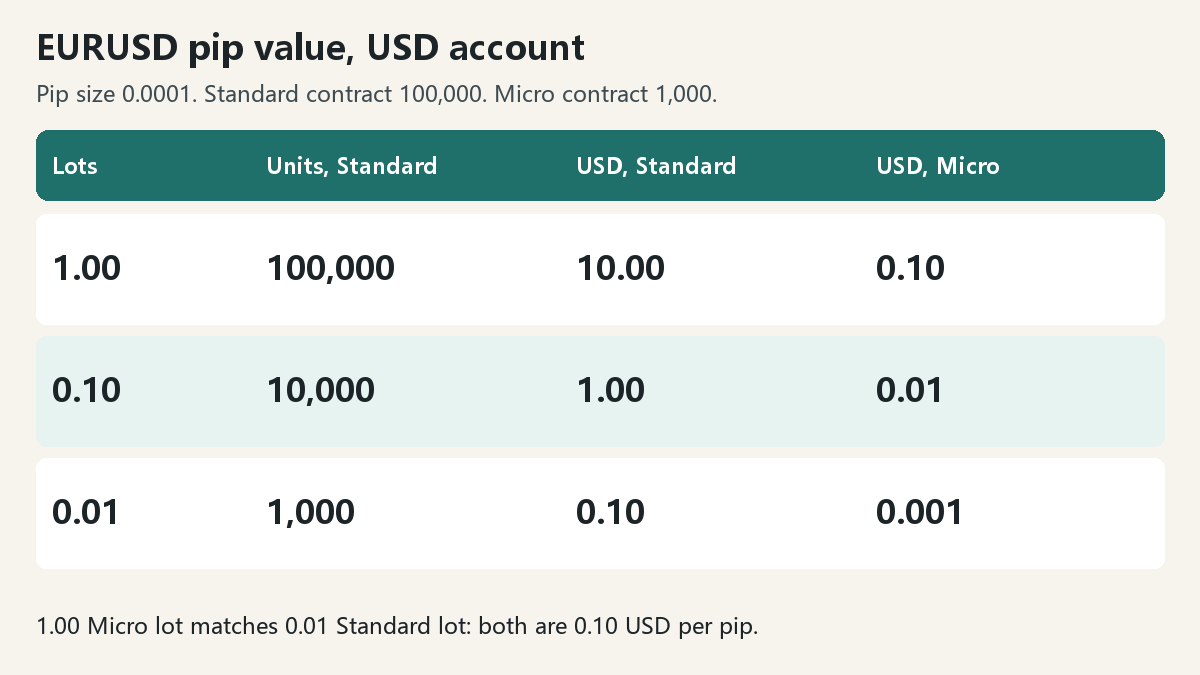
Pip value per lot = pip size × contract size.
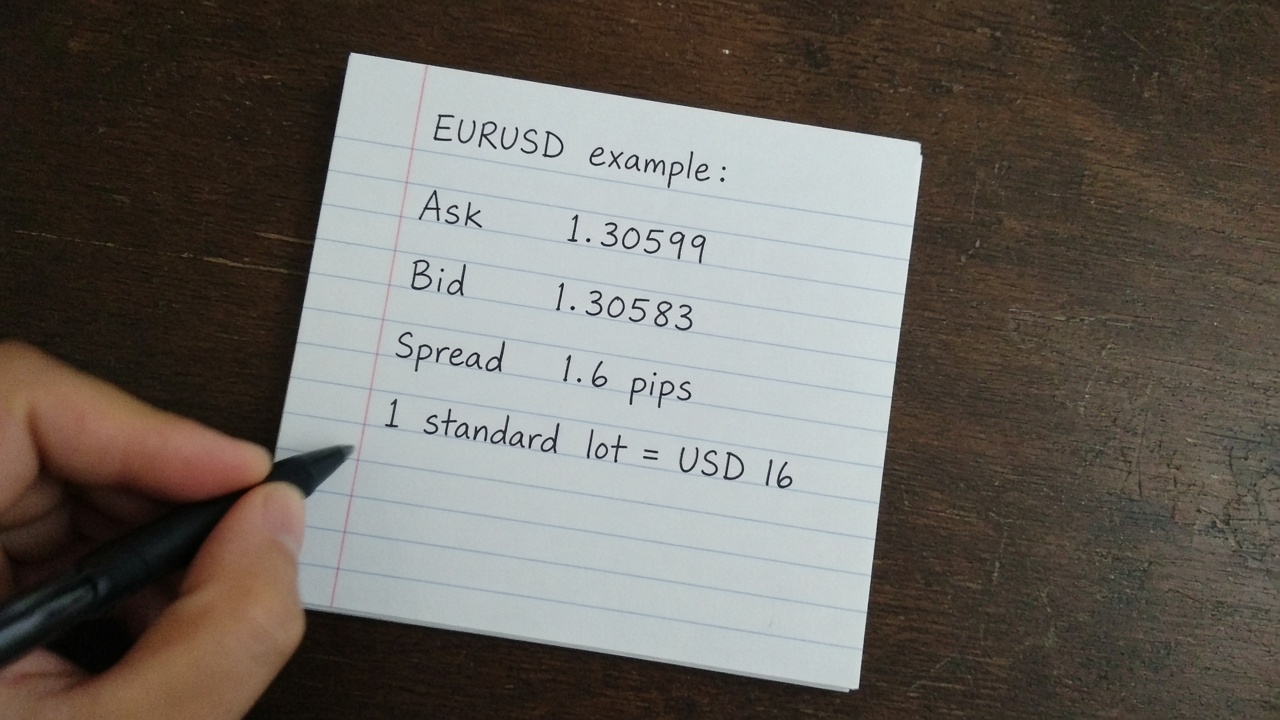
For an illustrative EUR/USD standard lot with a 100,000-unit contract and a 0.0001 pip size, one pip equals USD 10. If the eligible rebate is 0.3 pip per lot, the estimated cashback is USD 3 per eligible lot. For 8 lots, that is USD 24.
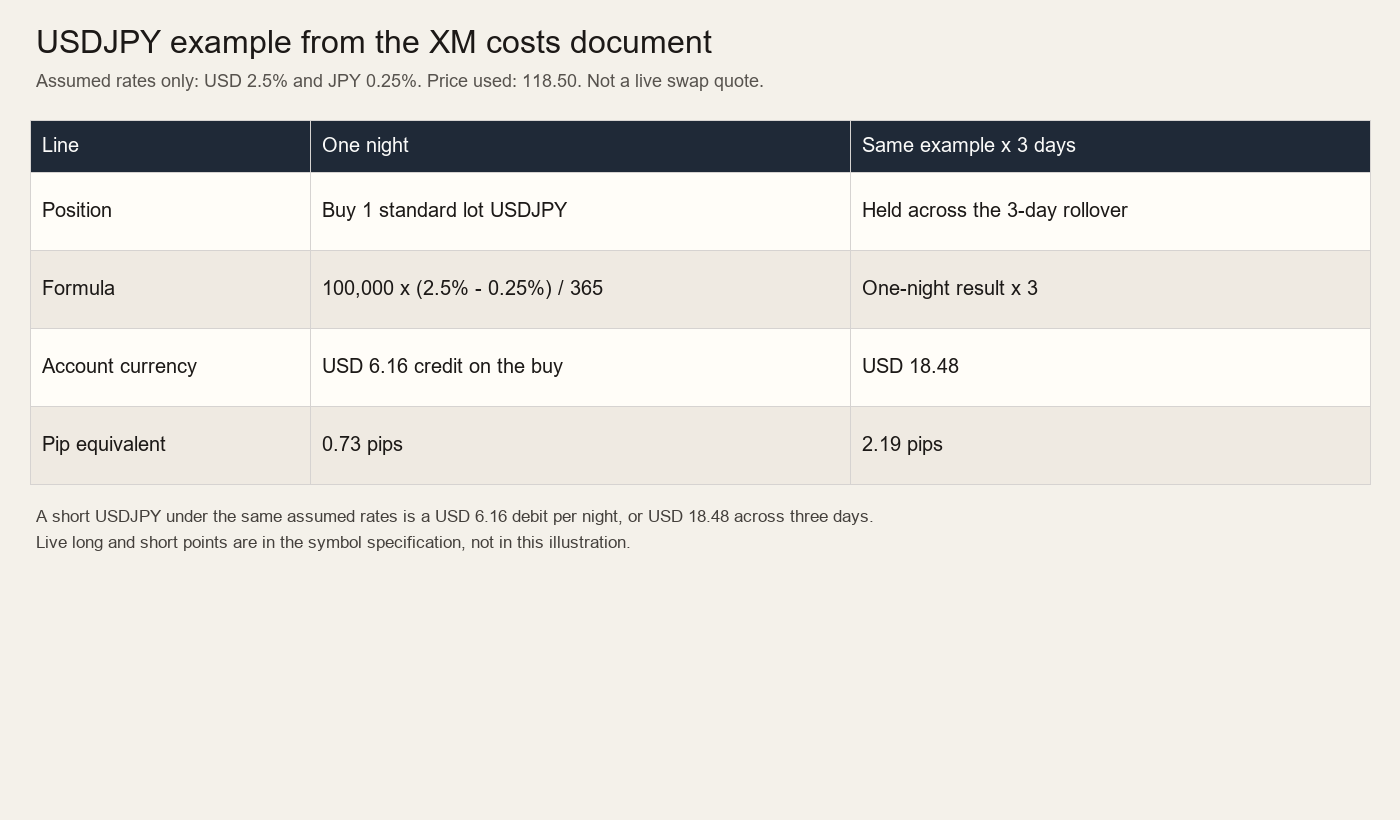
This shortcut does not transfer unchanged to JPY pairs, metals, indices or contracts with different tick sizes. If the account currency differs from the quote currency, apply the broker’s relevant conversion rate and any conversion charge.
Worked Example: Cashback and Effective Cost in INR
Consider an educational example for five eligible round-turn lots. The numbers below are assumptions, not current rates from xmforexcashback.in or any broker.
| Item | Assumption | Calculation | Amount |
|---|---|---|---|
| Spread | 0.8 pip; USD 10 per pip per lot | 5 × 0.8 × USD 10 | USD 40 |
| Round-turn commission | USD 7 per lot | 5 × USD 7 | USD 35 |
| Swap and slippage | USD 6 total | From account history | USD 6 |
| Gross trading cost | All included costs | 40 + 35 + 6 | USD 81 |
| Cashback | USD 4 per eligible lot | 5 × USD 4 | USD 20 |
| Effective trading cost | Gross cost less cashback | 81 − 20 | USD 61 |
If the applicable USD/INR conversion rate at payout were ₹84.00 per USD, the illustrative cashback would be ₹1,680 and the effective cost would be ₹5,124. Use the actual credited amount for bookkeeping because the programme or payment provider may use a different timestamp, rate, rounding rule or fee.
What Counts as Effective Trading Cost?
Cashback changes the net cost of eligible trading; it does not improve the market price, reverse a losing trade or remove execution risk. A useful cost comparison keeps every item in one currency and over the same measurement period.
Spread cost: the bid–ask difference paid when a position is opened and closed. Use actual fills where possible, not a minimum advertised spread.
Commission: include both entry and exit charges when a commission is quoted per side.
Swap or financing: include overnight debits and credits separately. A positive swap can reduce net cost, but it is not cashback.
Slippage: measure the difference between the intended or benchmark price and the executed price. Cashback does not compensate for poor execution unless the terms explicitly say so.
Conversion and payment charges: include currency conversion, withdrawal or transfer charges attributable to receiving or using the rebate.
Confirmed cashback: deduct only rebates that are eligible and credited. Keep pending, rejected and reversed amounts separate.

Compare accounts by cost per lot and cost in pips
For a fair comparison, calculate both values:
Effective cost per lot = total effective cost ÷ eligible closed lots.
Effective cost in pips = effective cost per lot ÷ pip value per lot.
In the example above, USD 61 divided by five lots equals USD 12.20 per lot. With a USD 10 pip value, that equals 1.22 pips. This does not mean every trade cost 1.22 pips; it is an average across the selected sample.
Use a Trade Ledger Instead of a Headline Rate
A monthly ledger is more dependable than multiplying total platform volume by a promotional rate. Export the account history and create one row per closed position or matched round turn.
Record instrument, account type, open and close times, direction and closed volume.
Capture entry and exit fills, spread or a suitable quote benchmark, commission, swap and other charges.
Mark whether the trade meets the cashback programme’s minimum duration, volume and instrument rules.
Apply the correct rebate model and payout currency.
Reconcile the estimate with the actual cashback statement. Record rejected or adjusted trades instead of deleting them.
Convert costs and cashback into the same reporting currency, then calculate effective cost per lot and as a percentage of gross cost.
You can use the site’s forex cashback calculator for an estimate, but verify its inputs against your account’s contract specifications and the current rebate terms. A calculator result is not a payout confirmation.
Fields worth keeping
| Ledger field | Why it matters |
|---|---|
| Trade ID and close date | Supports statement reconciliation and payout-period matching |
| Closed lots | Prevents open positions or duplicated entry/exit volume being counted |
| Actual commission and swap | Replaces assumptions with account-level charges |
| Cashback status | Separates estimated, approved, paid, rejected and reversed amounts |
| Conversion rate and fee | Explains differences between USD estimates and INR receipts |
Common Forex Cashback Calculation Mistakes
Counting opened volume as closed volume: many programmes calculate only eligible completed trades.
Double-counting a round turn: one lot opened and later closed may still be one eligible round-turn lot, not two.
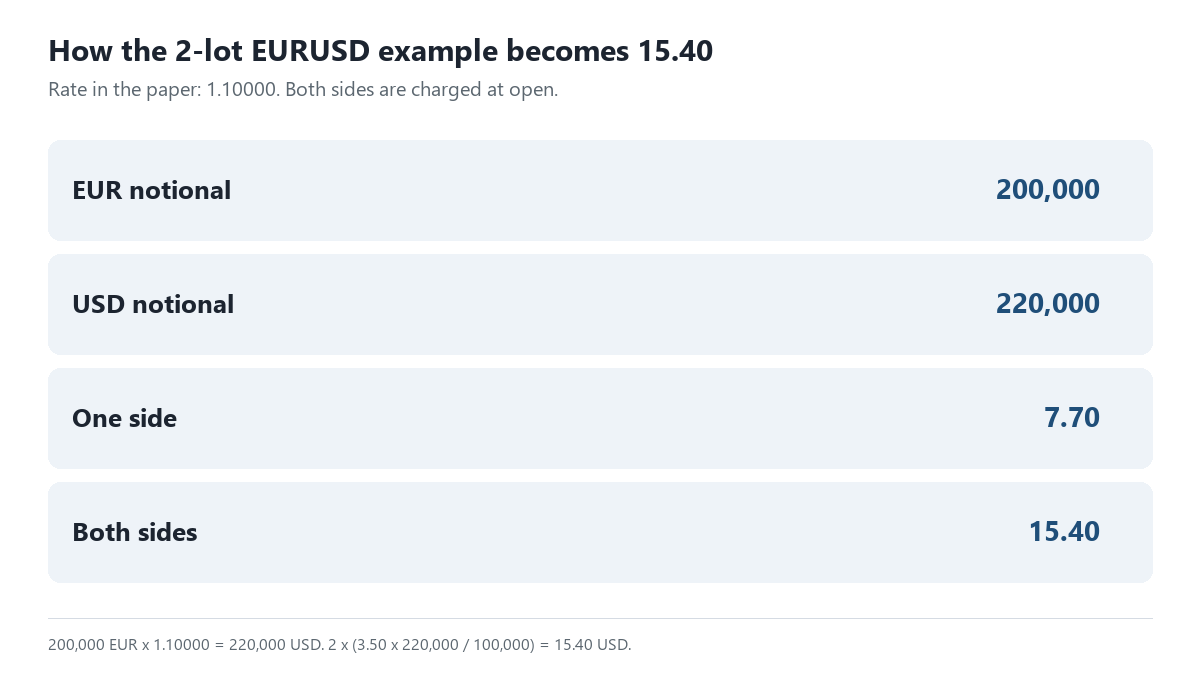
Mixing per-side and round-turn commission: USD 3.50 per side becomes USD 7 for the completed trade.
Using the wrong pip size: JPY pairs and non-forex instruments may use different decimal conventions.
Ignoring exclusions: copied trades, bonuses, very short holding periods, certain symbols or existing accounts may be treated differently.
Deducting estimated cashback before it is paid: eligibility reviews, thresholds and reversals can change the final credit.
Choosing a higher-cost account for a bigger rebate: compare net effective cost, execution and regulation—not the rebate in isolation.
India Compliance Check Before Comparing Cashback
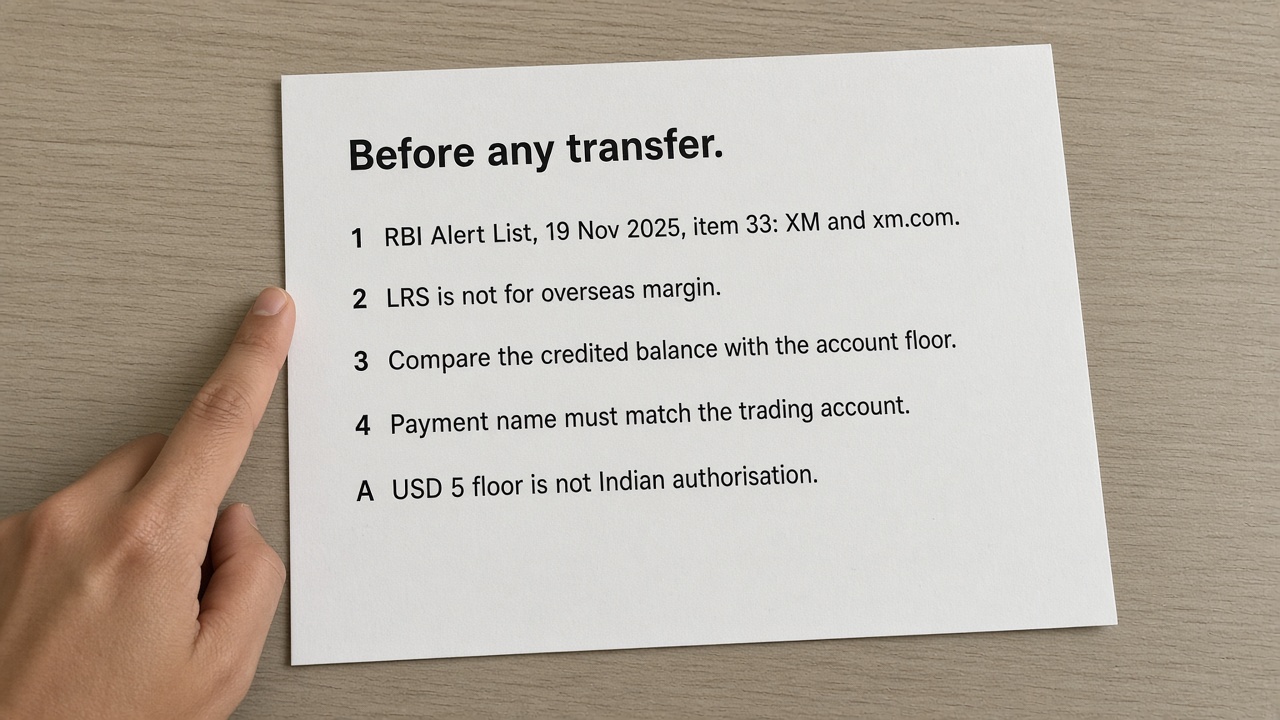
For a person resident in India, the cost calculation is secondary to whether the underlying forex transaction and platform are permitted. The Reserve Bank of India states that residents may undertake forex transactions only with authorised persons and for permitted purposes. Electronic transactions should use RBI-authorised electronic trading platforms or recognised stock exchanges identified by the RBI. See the RBI forex transaction FAQs and its notice on unauthorised forex platforms.
The RBI also cautions that its Alert List is not exhaustive: absence from the list does not establish authorisation. Check the positive lists of authorised persons and platforms, not merely whether a name is missing from a warning list. For exchange-traded currency derivatives, investors can also consult the SEBI register of stock brokers in the currency derivatives segment.
Cashback does not establish regulatory status. Before funding an account, independently verify the legal entity, regulator registration, permitted product, payment route and complaint channel. Rules can change and may depend on residency, purpose and instrument; obtain professional legal or tax advice for your circumstances.
A Five-Minute Cashback Verification Checklist
Verify the broker or platform and the transaction are permitted for your location.
Read the current rebate rate for the exact account type and instrument.
Confirm per-side versus round-turn treatment and the definition of an eligible lot.
Add spread, commission, swap, slippage and conversion costs from actual statements.
Deduct only credited cashback and compare the effective cost per lot over a meaningful sample.
For educational tools and programme information, visit xmforexcashback.in. Independently verify every quoted rate, eligibility rule and regulatory claim before acting.
Frequently Asked Questions
How do I calculate forex cashback?
Multiply eligible closed lots by the cashback rate per lot. If the rebate is quoted in pips, multiply eligible lots by rebate pips and pip value per lot. Convert the result into the account or payout currency using the applicable rate, then check programme caps, exclusions and rounding.
What is the formula for effective forex trading cost?
Effective trading cost equals spread cost plus round-turn commission, swap or financing, slippage and attributable payment or conversion fees, minus confirmed cashback. Use the same trades, period and currency for every component.
Is forex cashback calculated on opened or closed lots?
Many programmes use eligible closed or round-turn volume, but terms vary. Do not automatically add entry and exit volume. Confirm how the programme defines a lot and whether partially closed trades, open positions or trades crossing payout periods qualify.
How do I convert a pip rebate to cash?
Multiply the rebate in pips by the pip value for the traded volume. Pip value depends on pip size, contract size, volume, pair and account currency. Apply a currency conversion when the calculated pip value is not already in the payout currency.
Does cashback make a losing forex trade profitable?
No. Cashback may reduce eligible trading costs, but it does not change the market result or guarantee profit. Trading losses, slippage, financing and excluded charges can be much larger than the rebate.
Should swap charges be included in effective cost?
Yes, when positions were held through a financing rollover. Record swap debits and credits separately, then include their net effect. Do not call a positive swap “cashback”; it comes from a different part of the trade economics.
Why can estimated and paid cashback differ?
Differences can result from ineligible symbols, account types, minimum trade duration, partial closes, tier thresholds, conversion rates, rounding, payment fees, cancelled trades or programme adjustments. Reconcile trade IDs and closed volume with the cashback statement.
How can I compare two forex cashback offers?
Compare effective cost per lot after actual spread, round-turn commission, swap, slippage and conversion charges. Also compare execution quality, withdrawal terms, eligibility and regulatory status. A larger rebate can still accompany a higher net cost.
How to calculate forex cashback in INR?
Calculate the rebate in its quotation currency first, then multiply by the applicable INR conversion rate and subtract any conversion or payment fee. The final credited INR amount may differ from an estimate because of timing and provider rates.
Is forex cashback taxable in India?
Tax treatment depends on the facts, including whether the amount is a trading-cost rebate, business receipt or another form of income. Keep broker and cashback statements and seek advice from a qualified Indian tax professional. This article does not provide a tax conclusion.
Is a broker legal in India if it offers cashback?
No. A rebate offer does not prove authorisation. Indian residents should verify the authorised person, platform, permitted purpose and product using RBI and, where relevant, SEBI or recognised-exchange sources. Absence from an RBI Alert List is not proof of authorisation.
How often should I reconcile cashback?
Reconcile after each payout cycle and before relying on the amount in performance records. Frequent traders may also run a weekly estimate to detect missing trade IDs, incorrect volume or changing rates early.
Risk and Information Notice
This material is educational and is not investment, legal or tax advice. Leveraged derivatives can produce rapid and substantial losses. Calculations are illustrative; contract specifications, spreads, commissions, swaps, exchange rates, eligibility and regulations can change. Confirm figures with the relevant authorised provider and official Indian regulatory sources.