
Welcome to XM Forex Cashback India
Open Account
Home
Software Downloads Topic Index About Us

Market learning centre

外汇返现网

Explore timely forex market education, trading platform guidance and broker research. Use these articles as a starting point for independent analysis and careful decision-making.

Market education Broker research Platform guides Risk awareness

Latest articles

Research-led updates and practical trading guidance.

XM Pip Value Explained: How to Calculate It by Lot Size

XM Pip Value Explained: How to Calculate It by Lot Size

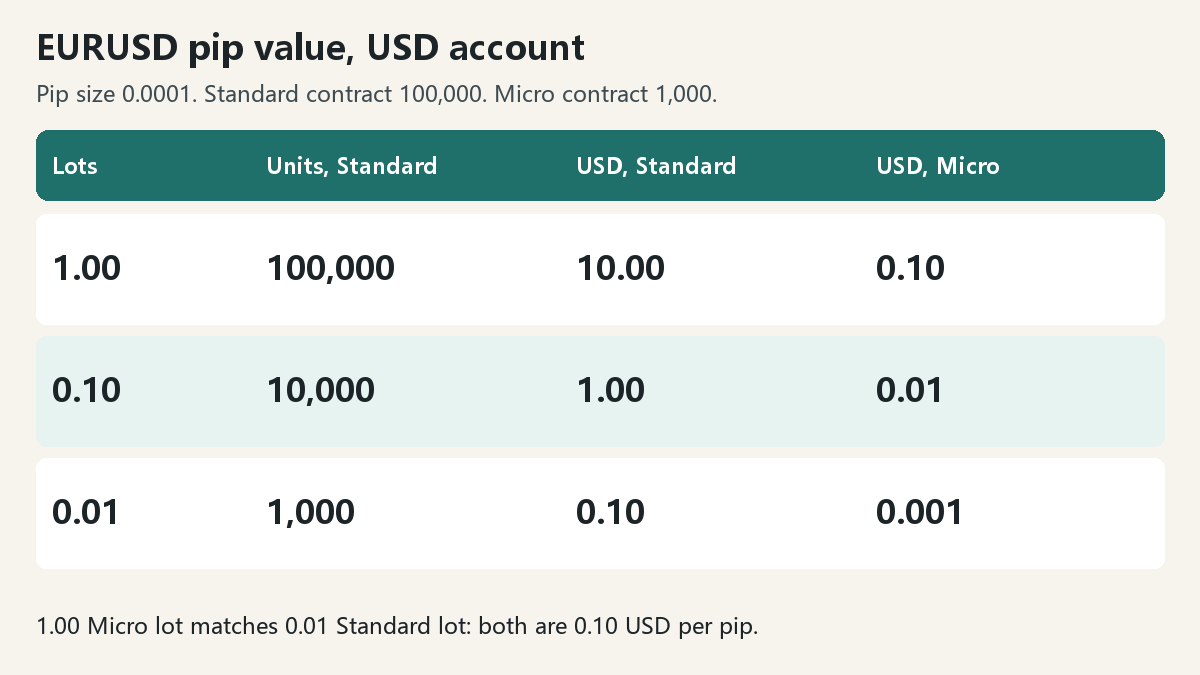
This guide calculates XM pip value from the contract size and the lot on the ticket. It sets Standard and Micro EURUSD amounts side by side, converts a USDJPY example at a stated rate, and keeps cashback and the five-minute affiliate rule off that price figure.

Read more For education and research
XM Account Types Compared: Standard, Ultra Low and Other Options

XM Account Types Compared: Standard, Ultra Low and Other Options

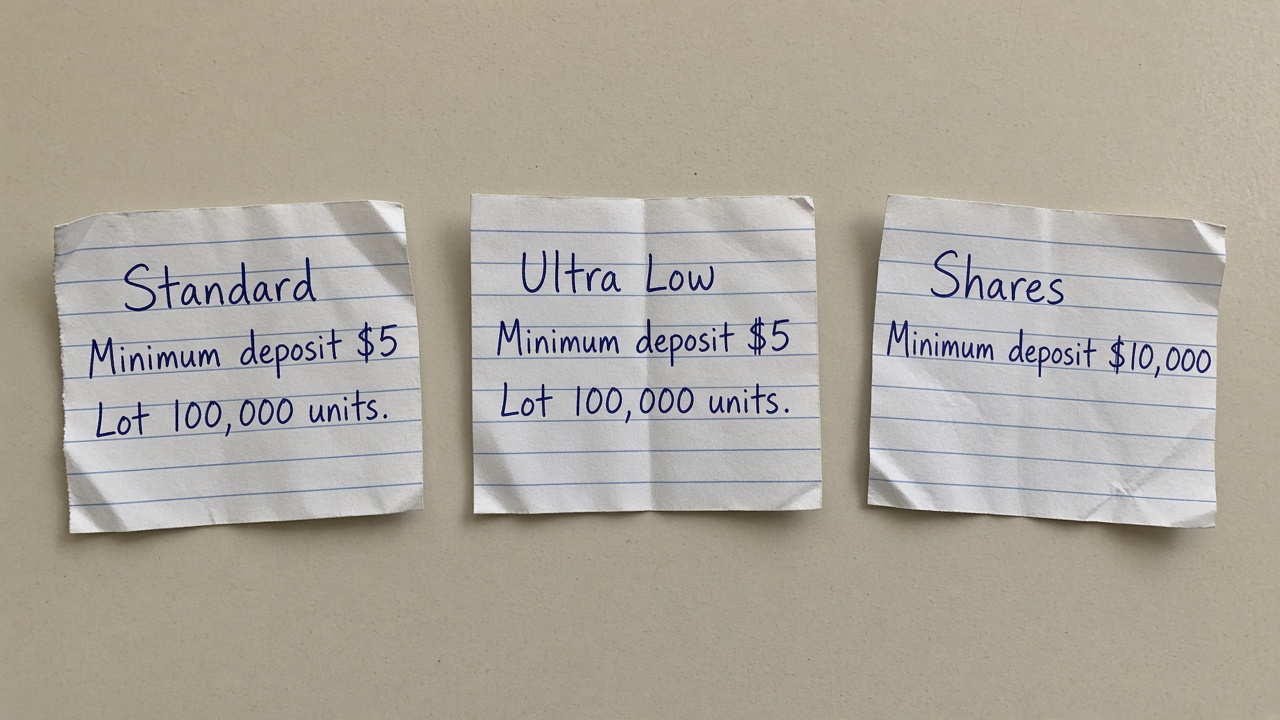
This article compares the account names on XM's current account menu: Standard and Ultra Low, the 1,000-unit micro lot, and Shares. It shows which plans put the dealing cost in the spread, when a costs paper names a commission on XM Zero, and how to scale a cashback rate to the lot you actually trade. Indian readers get the Alert List check before that pricing choice.

Read more For education and research
XM Minimum Deposit: What Traders Should Check Before Funding

XM Minimum Deposit: What Traders Should Check Before Funding

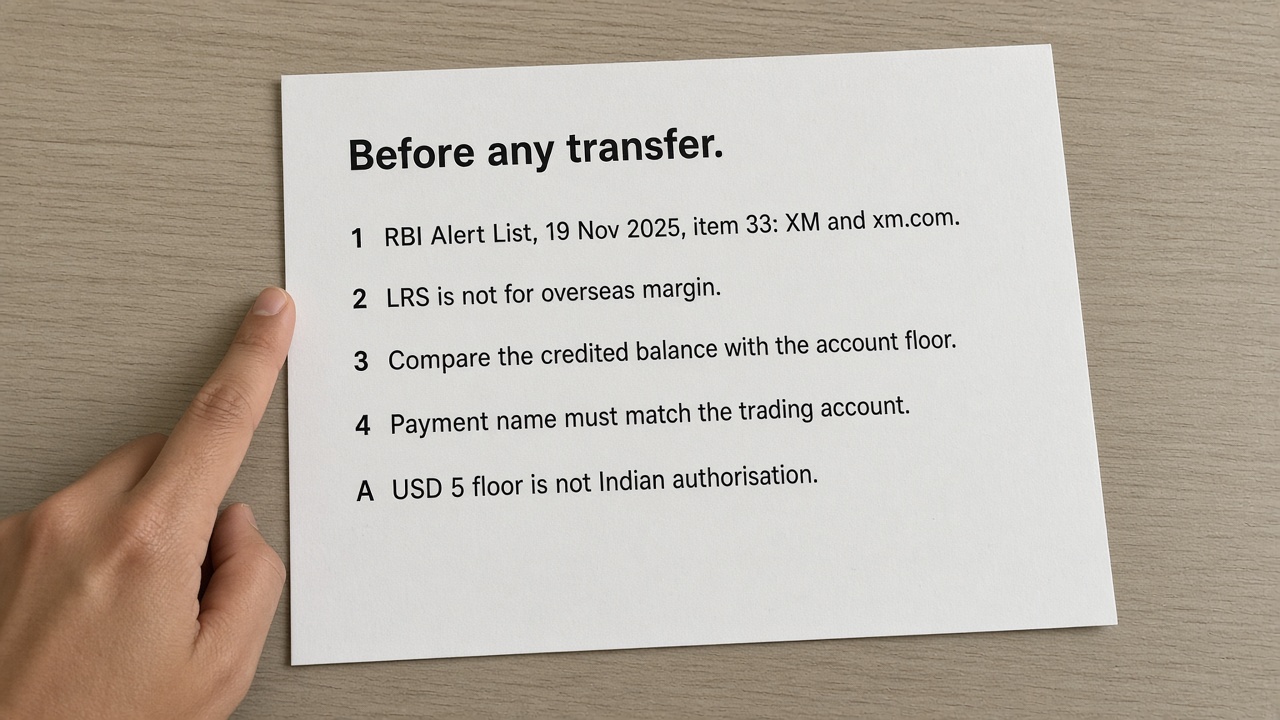
This article shows how to read an XM account floor before funding. It separates USD 5 on the Standard and Ultra Low cards from USD 10,000 on Shares, from a payment-method minimum, and from the margin on a 0.01-lot example. It also explains the non-dollar equivalent, the credited-balance check, and why a resident of India still starts with the RBI Alert List and the LRS margin rule.

Read more For education and research
XM Swap Fees Explained: How Overnight Charges Work

XM Swap Fees Explained: How Overnight Charges Work

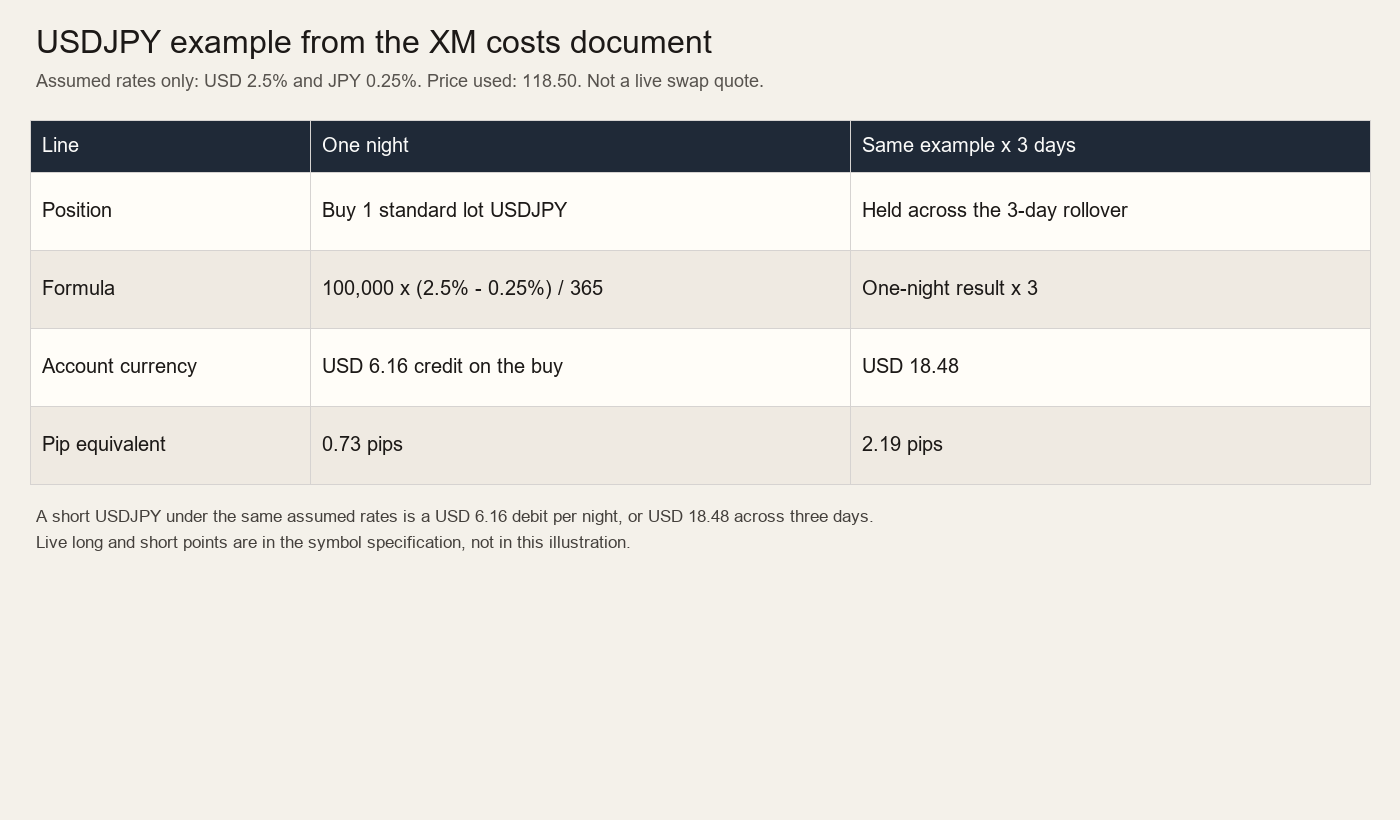
This article explains how XM overnight financing is timed, how the costs document assumed-rate USDJPY example works, and which weekday triples currencies versus indices. It also separates that charge from cashback and from India forex permission rules.

Read more For education and research
Does XM Charge Commission? Account Costs Explained

Does XM Charge Commission? Account Costs Explained

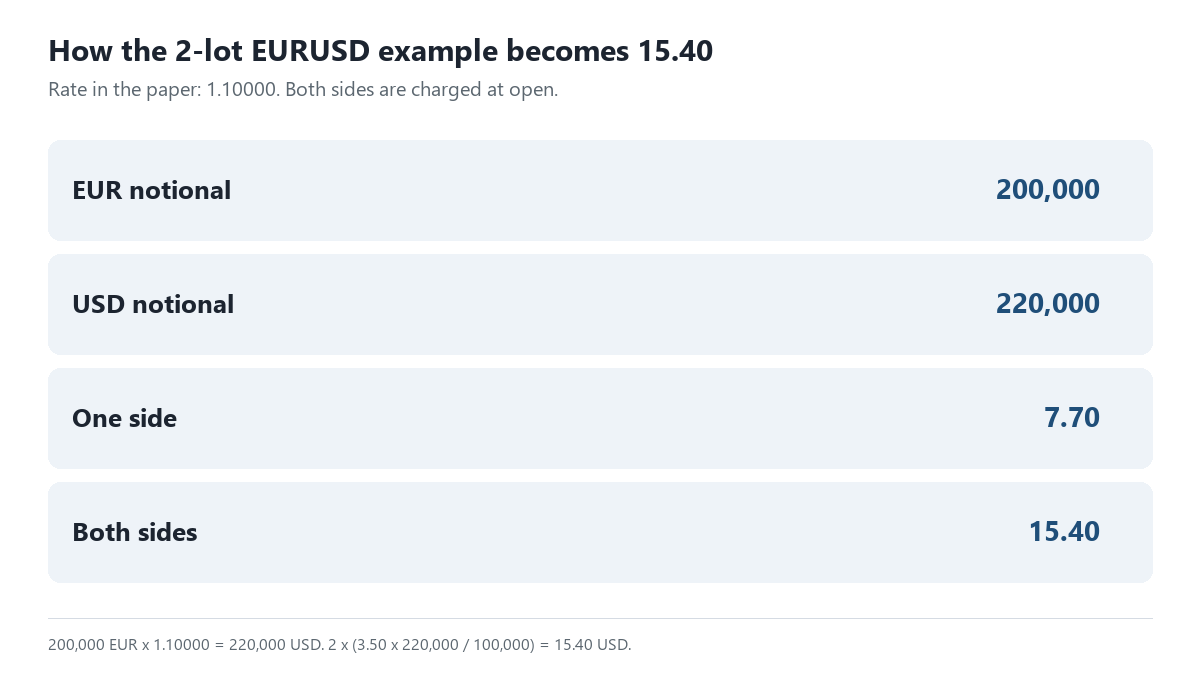
This article shows how to tell whether a separate commission applies, using the Zero-account rate in the costs paper and the company name on the client agreement. It walks through the USD notional formula, including the 3-lot USDJPY and 2-lot EURUSD examples, and separates that fee from spread, swap, and the dormant charge. It then shows where a rebate on this site changes net cost after the debit has already been taken.

Read more For education and research
XM Spreads Explained: How to Check the Real Trading Cost

XM Spreads Explained: How to Check the Real Trading Cost

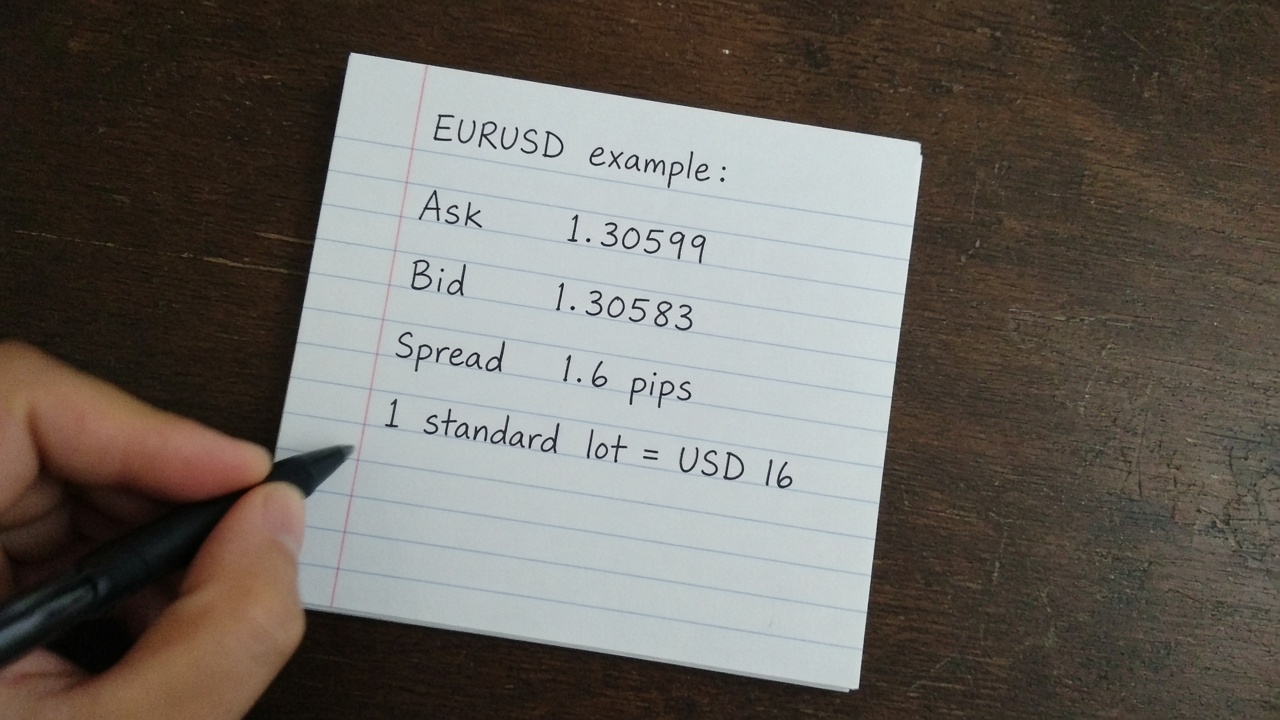
This guide shows how to turn an XM quote into a cash cost: ask minus bid, times contract size. It uses the Cyprus costs paper example of 1.6 pips and USD 16 on one standard EURUSD lot, then separates that figure from a live average, Zero commission, the 22:00 GMT swap, and a confirmed rebate.

Read more For education and research
How much is 50 pips in 0.01 lot size?

How much is 50 pips in 0.01 lot size?

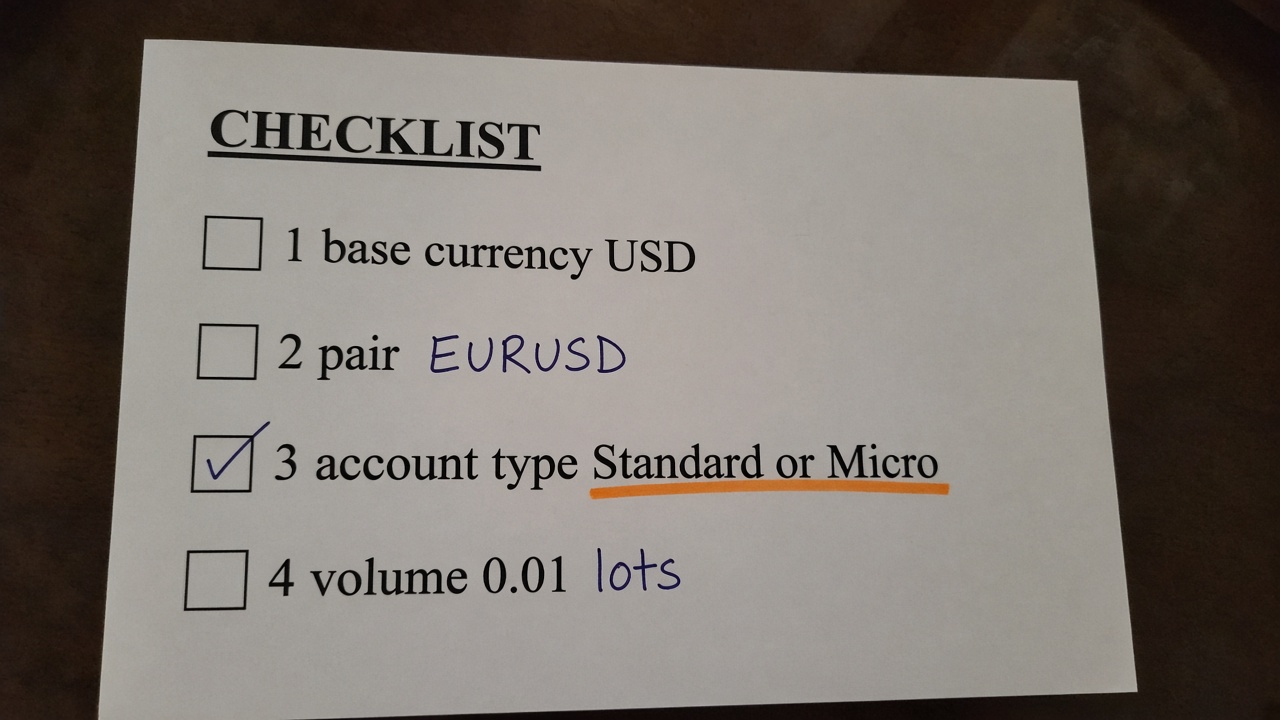
This page answers how much 50 pips is worth at 0.01 lot on XM by splitting Standard 1,000-unit tickets from Micro 10-unit tickets, then shows how to run the official lot size calculator and confirm Contract size before treating the cash figure as an order.

Read more For education and research
What is 1 standard lot in XM?

What is 1 standard lot in XM?

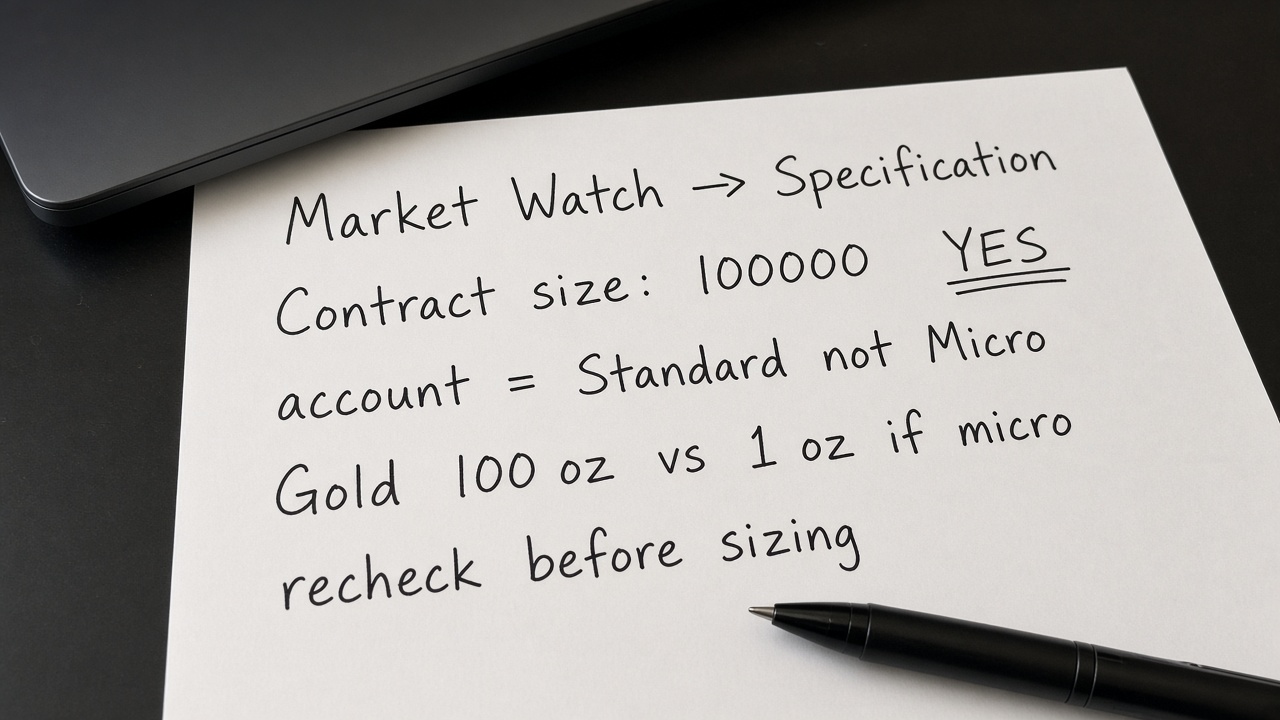
This guide explains what 1 standard lot means on XM: 100,000 base-currency units on Standard-size books versus 1,000 on Micro, plus gold and silver ounce contracts. It shows how to run XM’s All-in-One lot size calculator, confirm Contract size in the symbol spec, and keep Indian FEMA/LRS checks separate from the arithmetic.

Read more For education and research
How Indian Residents Should Verify a Forex Trading Platform Before Using XM

How Indian Residents Should Verify a Forex Trading Platform Before Using XM

Indian residents asking is XM allowed in India should start with RBI records, not a live website. The Alert List updated 19 November 2025 names XM and xm.com at item 33. Overseas licences do not create Indian authorisation, LRS cannot be used for overseas margin, and cashback does not change FEMA. This update keeps the live page on that verification path.

Read more For education and research
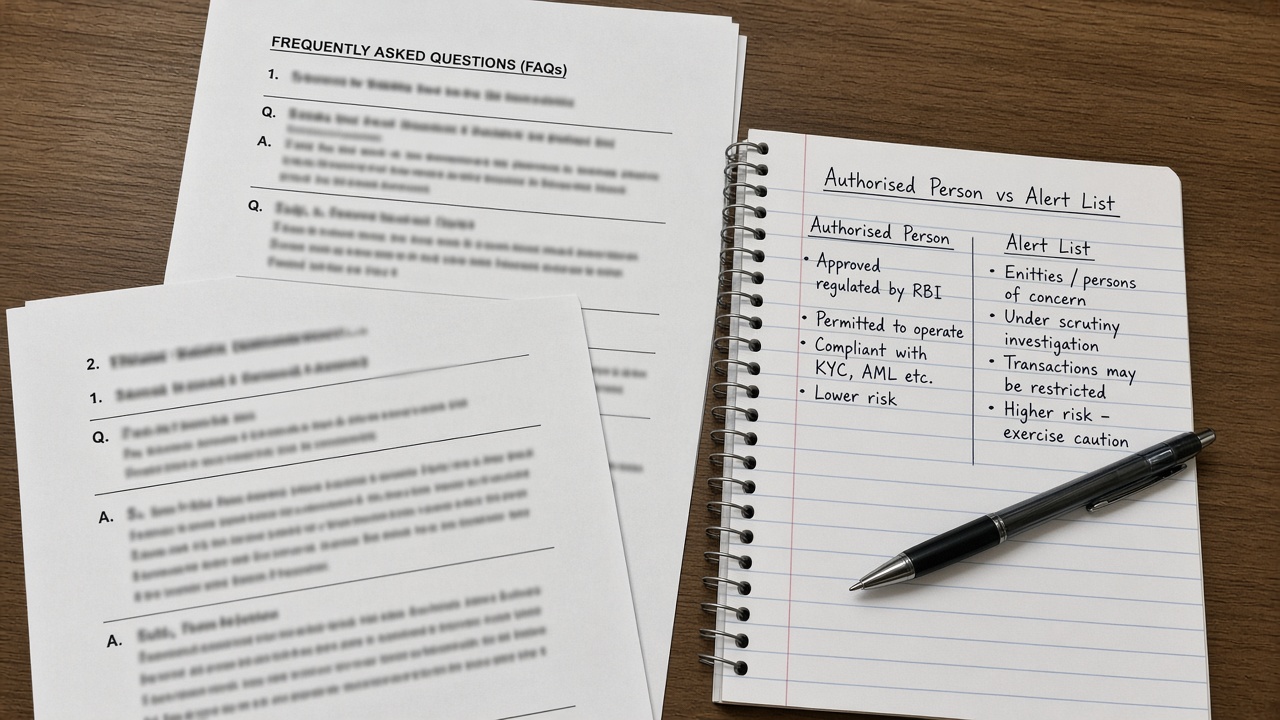
How to Check XM Account Types, Spreads, Commissions and Rebate Eligibility

How to Check XM Account Types, Spreads, Commissions and Rebate Eligibility

This guide shows how to check XM account types, live spreads and commissions against the contracting entity, then how to test rebate eligibility as a separate partner-rule layer. It keeps India FEMA and RBI Alert List checks first, treats rebate cards as screening sheets, and uses official XM account and cost documents without copying leverage figures as worldwide fact.

Read more For education and research

XM Rebate vs Deposit Bonus: Differences, Eligibility and Risk

XM Rebate vs Deposit Bonus: Differences, Eligibility and Risk

A brand-specific comparison explaining how trade-linked XM rebates and deposit-linked bonus credit differ in trigger, trading-cost impact, withdrawal status, eligibility and risk. It gives Indian readers a source-led checklist and makes clear that promotion availability is separate from regulatory permission.

Read more For education and research

How to Calculate Forex Rebates Per Lot and Your Net Trading Cost

How to Calculate Forex Rebates Per Lot and Your Net Trading Cost

This guide explains how to calculate a forex rebate per lot using cash, pip and percentage-based methods, then shows how to calculate net trading cost from spread, commission, swap, slippage and confirmed cashback. It focuses on the inputs that cause most errors: eligible closed volume, per-side versus round-turn treatment, contract specifications, currency conversion and trade-ledger reconciliation.

Read more For education and research