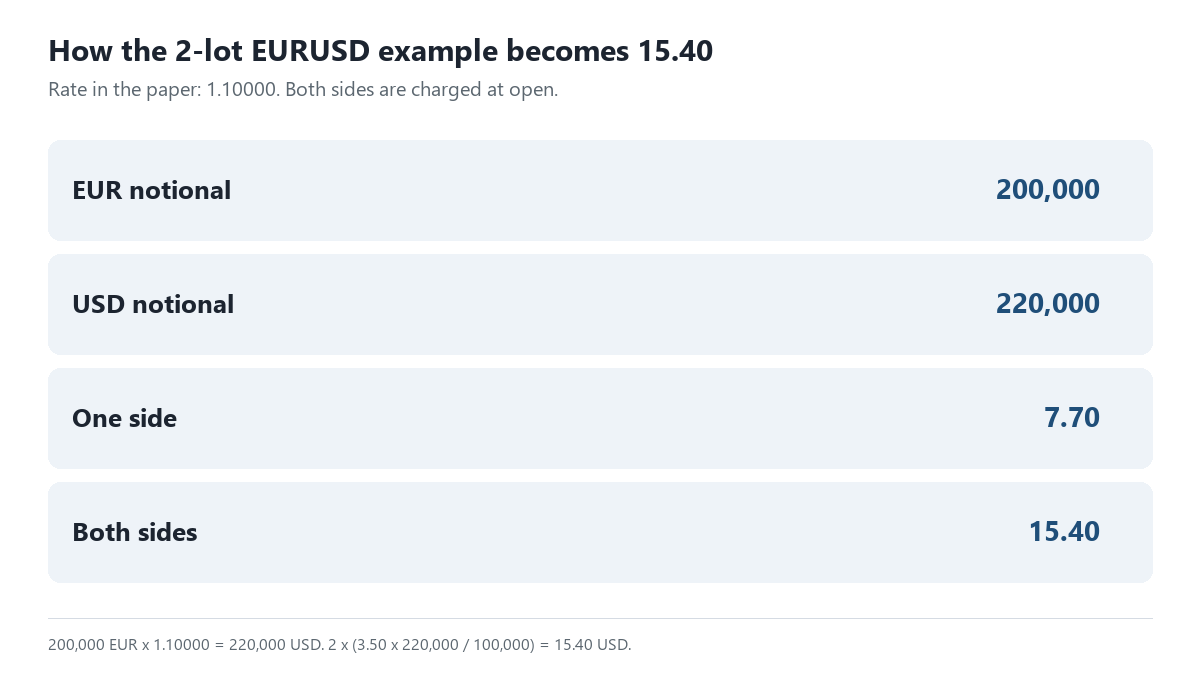
To calculate a forex rebate per lot, multiply the eligible closed volume by the documented rebate rate, then convert the result into the relevant account or payout currency if needed. To calculate net trading cost, subtract only the confirmed rebate from the costs attached to the same trades.
The arithmetic is simple; the inputs are where mistakes happen. Before deciding how to calculate forex rebate per lot, confirm the contract size, the definition of an eligible lot, whether the rate is per side or per round turn, and whether the quoted rate applies to the exact account and instrument.

How to calculate forex rebate per lot: the core formula
For a fixed cash rate, use:
Estimated rebate = eligible closed lots × documented rebate per lot
That formula should be applied only after you have checked the programme’s definitions. “Lots traded” in a platform report may not equal “eligible lots” in a cashback programme. For example, trades may be excluded by account type, symbol, holding time, attribution status, settlement period or programme rules.
Also check whether the rebate is quoted for one side of a trade or for a completed round turn. A rate paid per side may apply on opening and closing; a round-turn rate covers the complete open-and-close cycle. Treating a per-side number as a round-turn number can halve the estimate, while treating a round-turn number as per-side can double it.
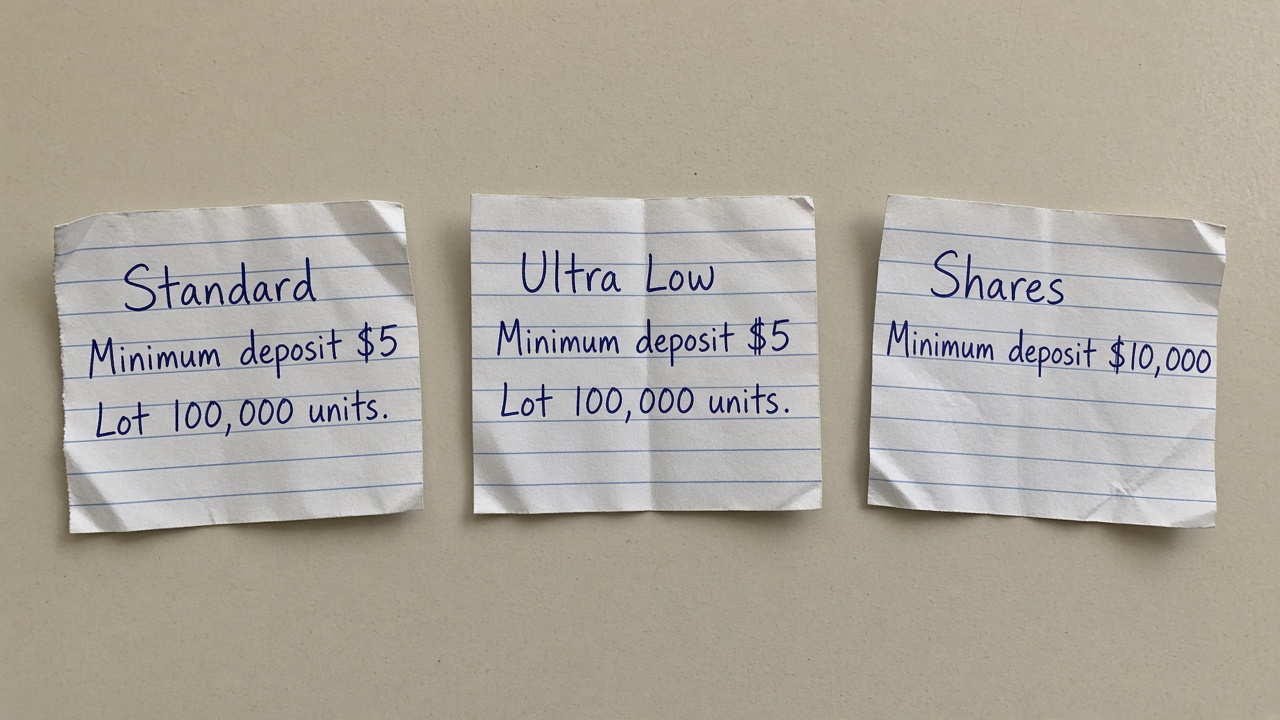
A standard lot is often 100,000 units for major forex pairs, but that is not a universal economic measure. Metals, indices, crypto products, micro accounts and cent accounts can use different contract or tick specifications. Use the contract information that applies to the instrument you actually traded.
Use the formula that matches the rebate quotation
| How the rebate is quoted | Calculation | Inputs to verify first |
|---|---|---|
| Fixed cash per lot | Eligible closed lots × cash rebate per lot | Lot definition, eligible symbols, rate currency, per-side or round-turn treatment |
| Pips per lot | Eligible lots × rebate pips × pip value per lot | Pip size, contract size, pair, account currency and conversion method |
| Percentage of commission | Eligible commission paid × rebate percentage | Which commission charges qualify, caps, tiers and per-side treatment |
| Percentage of spread or partner commission | Defined eligible cost base × rebate percentage | Whether actual or assumed cost is used, reporting basis, exclusions and adjustments |
Fixed cash per lot
Assume a documented programme rate of USD 4 per eligible round-turn lot and 7.5 eligible closed lots in the relevant period. The estimate is 7.5 × USD 4 = USD 30. This is an illustrative calculation, not a current rate or a payment promise. The final amount can change if the account, instrument, volume or programme rules differ from the assumptions.
Pip-based rebates
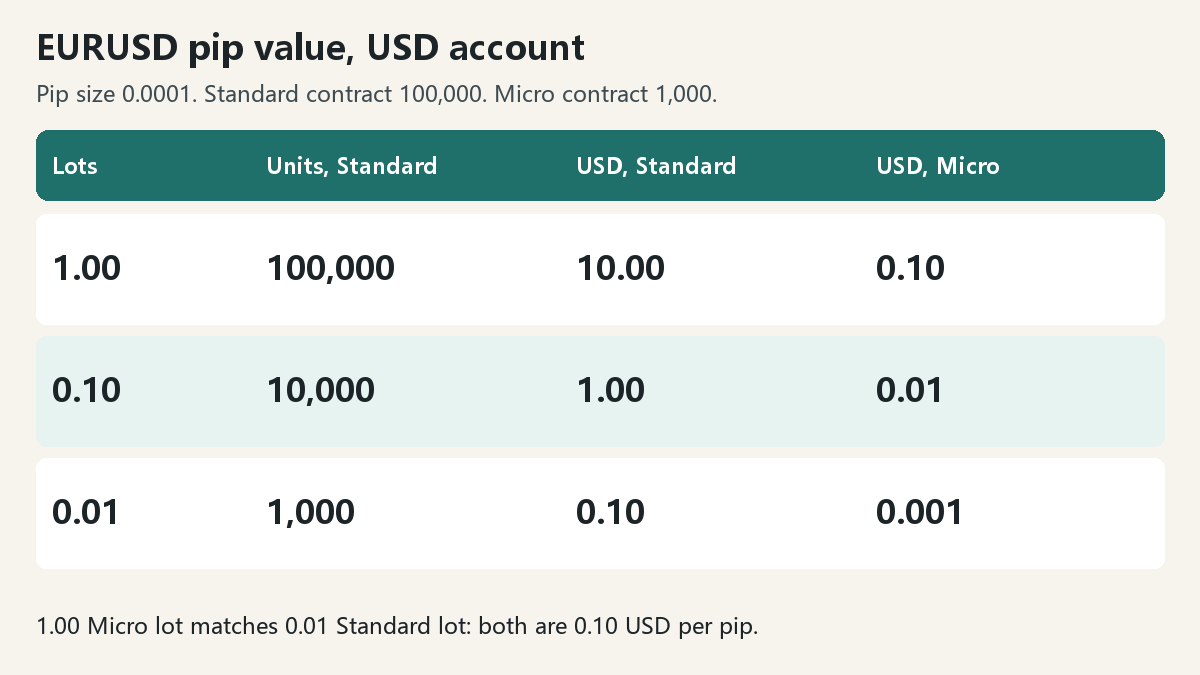
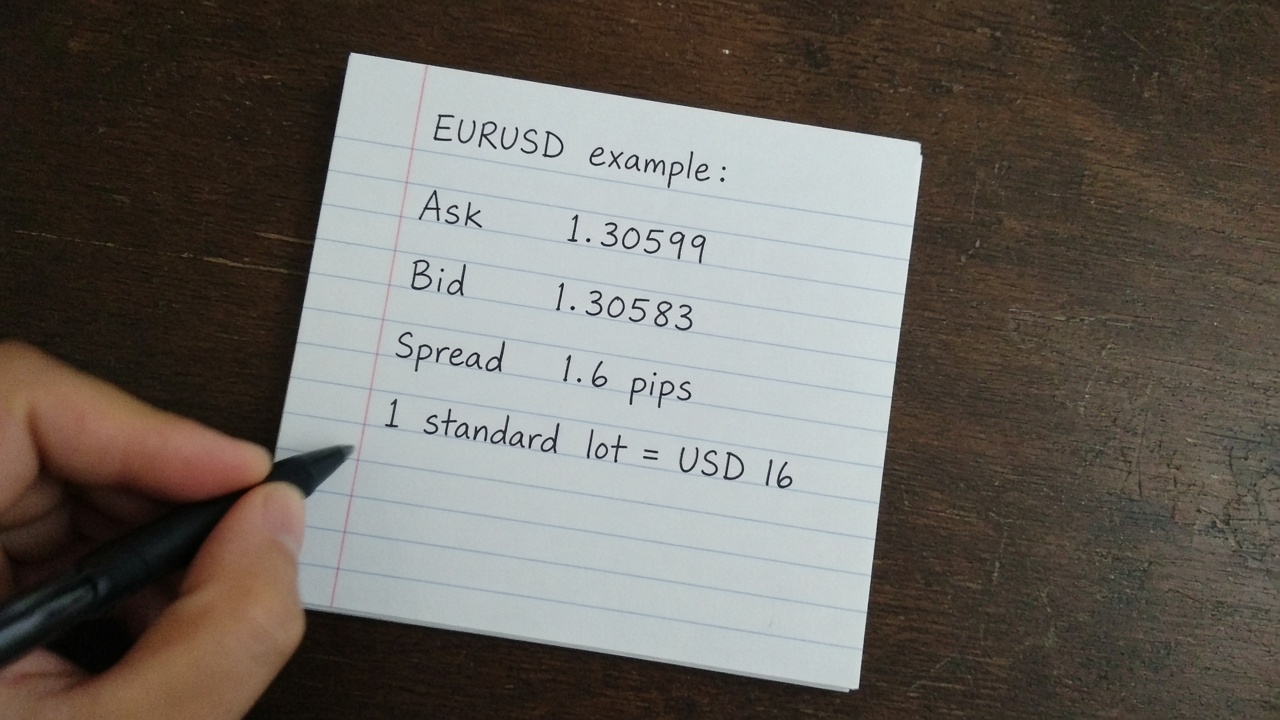
If a programme quotes a rebate in pips, first calculate the pip value for the actual instrument and volume. For an illustrative EUR/USD standard lot with a 100,000-unit contract and a 0.0001 pip size, one pip is USD 10. A 0.25-pip rebate on three eligible standard lots would estimate to 3 × 0.25 × USD 10 = USD 7.50. Do not copy the USD 10 shortcut to JPY pairs, cross pairs, metals or non-standard contracts without checking their specifications.
Percentage-based rebates
A percentage offer needs the correct base. If a programme returns 20% of an eligible USD 35 commission total, the estimate is USD 7. It is not 20% of the account balance, trade profit or all trading costs unless the programme says so. Keep the broker-reported commission and the rebate calculation in the same currency before comparing them.
Calculate net trading cost, not just cashback
A rebate can lower net cash cost without changing the price at which a trade was executed. A useful calculation keeps the same trades, period and currency throughout:
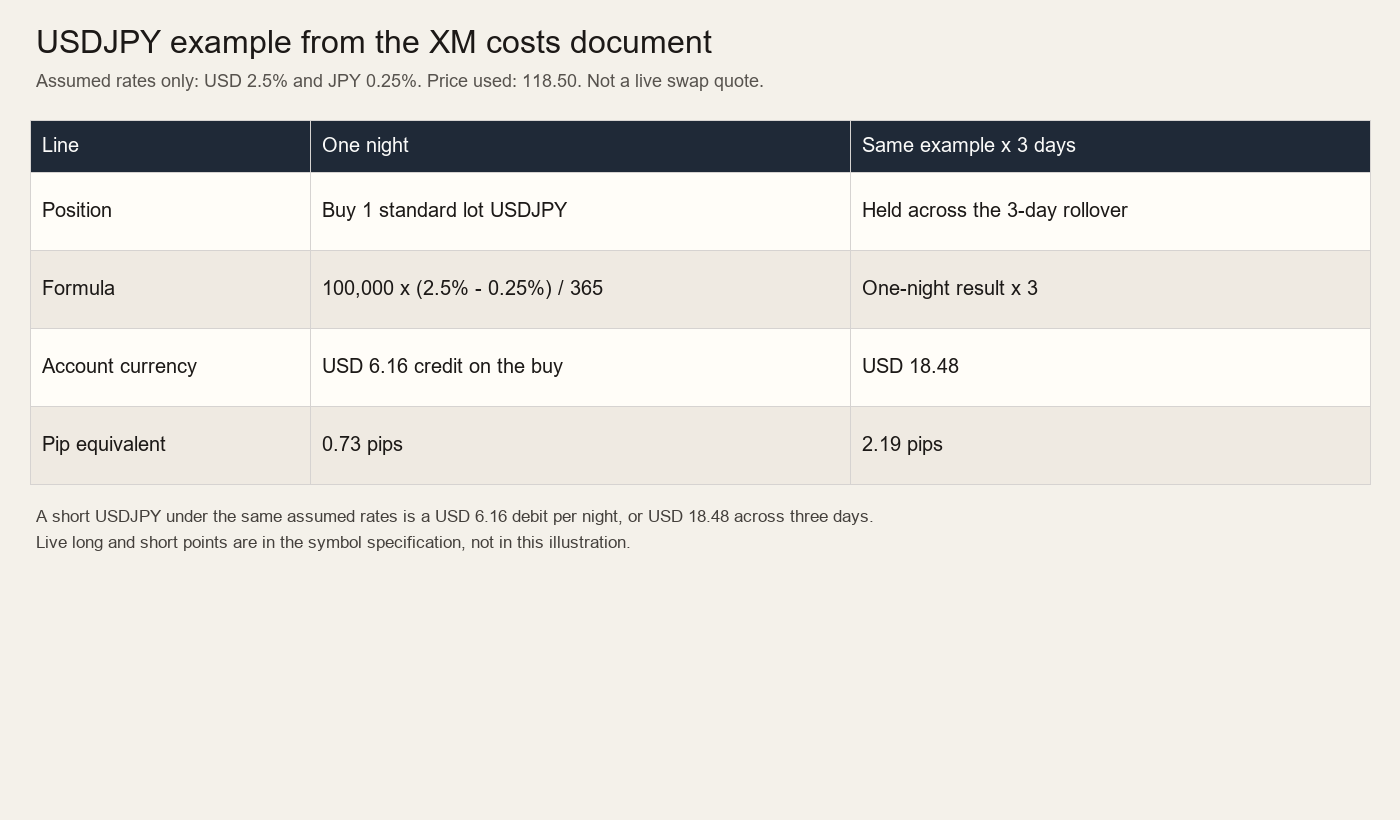
Gross trading cost = spread cost + round-turn commission + swap/financing + slippage + conversion or payment charges + other applicable fees
Net trading cost = gross trading cost − confirmed, eligible rebate
Only subtract a credit that is confirmed under the programme’s terms. A calculator output, dashboard estimate, pending balance or non-withdrawable credit may not be equivalent to a paid rebate. For a broader explanation of cashback mechanics, see What Is Forex Cashback?.
The site’s Forex Cashback Calculator can organise a planning estimate. Enter a rate only after verifying its current terms, and use the account statement—not the estimate—as the source for final record-keeping.
Worked example: rebate per lot and effective cost
The following is an educational example. It is not a live XM offer, a recommendation, a current exchange rate or a prediction of results.
| Item | Illustrative assumption | Calculation | Illustrative amount |
|---|---|---|---|
| Eligible closed volume | 5 round-turn lots | Confirmed from account history | 5 lots |
| Spread cost | 0.8 pip; USD 10 per pip per lot | 5 × 0.8 × USD 10 | USD 40 |
| Round-turn commission | USD 7 per lot | 5 × USD 7 | USD 35 |
| Swap, slippage and other costs | Combined total | From the trade record | USD 6 |
| Gross trading cost | All included costs | 40 + 35 + 6 | USD 81 |
| Rebate | USD 4 per eligible lot | 5 × USD 4 | USD 20 |
| Net trading cost | Gross cost less confirmed rebate | 81 − 20 | USD 61 |
In this example, effective cost per lot is USD 61 ÷ 5 = USD 12.20 per eligible lot. If one pip for the relevant lot is USD 10, that period-level average is 1.22 pips per lot. It does not mean every trade cost exactly 1.22 pips, and it says nothing about whether the trades made or lost money.
Reconcile the estimate with a trade ledger
A short ledger catches errors that a headline “cashback per lot” rate cannot. For each closed trade or matched round turn, retain the trade ID, instrument, account type, open and close times, closed volume, commission, swap, applied rebate rate, expected rebate, credited rebate and payout status.
Export account history for the payout period.
Mark the trades that meet the programme’s documented eligibility rules.
Convert volume into the programme’s lot definition; do not assume all instruments share a contract size.
Apply the appropriate rate only once, using the correct per-side or round-turn basis.
Keep estimated, pending, approved, paid, rejected and reversed amounts in separate fields.
Convert costs and rebates to the same reporting currency before calculating total and per-lot cost.

Common errors include counting an opening and closing leg twice, using the wrong pip convention, applying a rate to excluded symbols, mixing a USD rebate with INR costs before conversion, and treating a pending amount as withdrawable. If a payment is missing, review account attribution, eligible closed volume, settlement timing and exclusions before escalating. The site’s XM cashback not received guide explains that check sequence.
Currency conversion and checks for Indian residents
If the rebate is quoted in USD but you track costs in INR, calculate the rebate in its quoted currency first, then apply the relevant conversion rate and account for any conversion or payout fee. The final credited INR amount can differ from an estimate because the payment date, conversion timing, rounding and provider charges may differ.
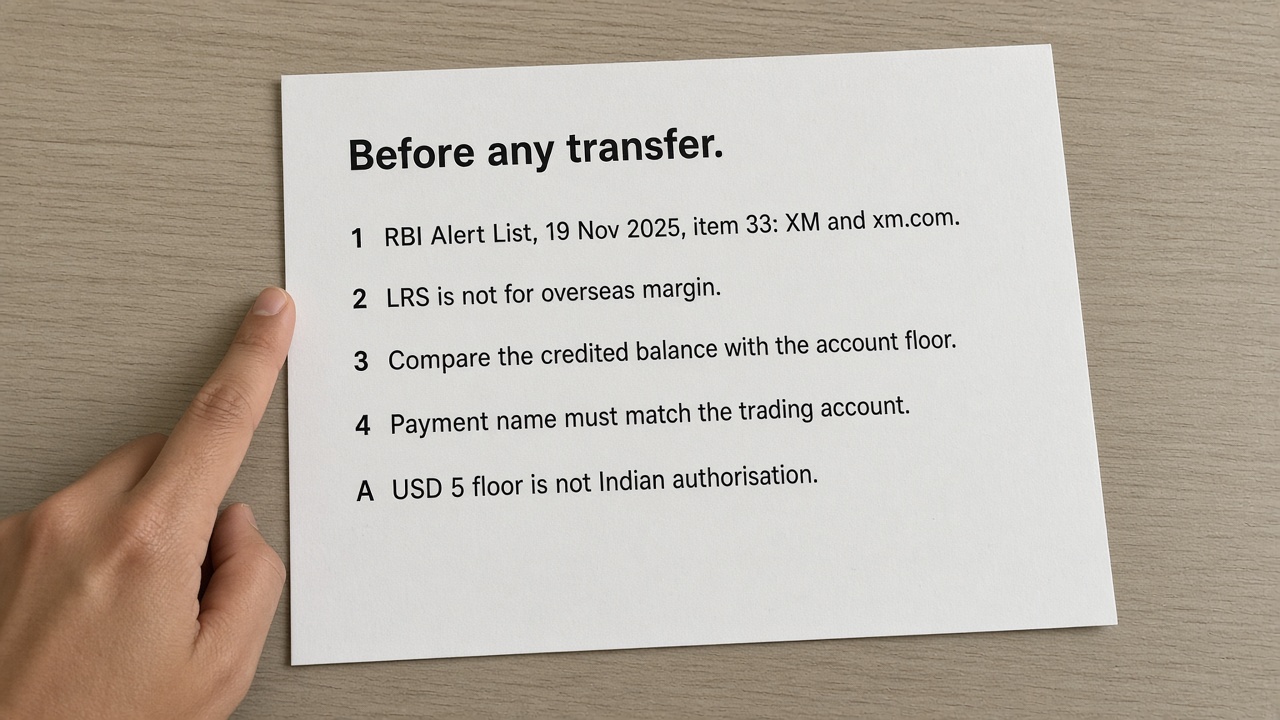
Programme eligibility is separate from whether a transaction or platform is permitted for a resident of India. The Reserve Bank of India says that resident persons may undertake forex transactions only with authorised persons and for permitted purposes, and electronic transactions are subject to the relevant authorised-platform or recognised-exchange rules. Review the RBI Foreign Exchange Transactions FAQ and current official lists before opening, funding or linking an account. For the site’s related guide, see Is XM Regulated in India?.
Use the calculation to compare costs—not to chase volume
A rebate is a cost item, not a trading strategy. Opening extra trades, holding unsuitable positions or increasing size solely to earn cashback can create more spread, commission, financing exposure and market risk than the credit offsets. Keep position size based on a separate risk plan; the site’s Position Size and Risk Calculator can help build an estimate, but it cannot make leveraged trading safe.
Where an XM-related programme is involved, review the relevant legal entity and current terms. XM’s published Auto-Rebates document illustrates that rates, programme specifications, settlement and restrictions can vary by arrangement. See the XM Auto-Rebates Program document; it should not be treated as a universal current offer.
Risk and disclosure note
Forex and CFD trading can result in substantial losses, particularly with leverage. A rebate may reduce part of an eligible transaction cost, but it does not remove price, execution, margin, financing, counterparty or regulatory risk. This article is educational information, not legal, tax or investment advice.
Frequently asked questions
How to calculate forex rebate per lot?
Multiply the eligible closed lots by the documented rebate rate per lot. Before doing so, confirm the programme’s lot definition, account and instrument eligibility, and whether the rate applies per side or per round turn.
What is the forex rebate per lot formula?
For a fixed cash rate, estimated rebate equals eligible closed lots multiplied by cashback per lot. For a pip-based rate, multiply eligible lots by rebate pips and pip value per lot. Use the programme’s contract and eligibility definitions rather than a generic shortcut.
Is a forex rebate calculated on opened or closed lots?
Many programmes use eligible closed or completed round-turn volume, but terms vary. Do not count both entry and exit volume as two lots unless the programme specifically defines it that way. Check partial-close and payout-period rules as well.
What is the difference between per-side and round-turn rebate rates?
A per-side rate may apply separately when a position opens and closes. A round-turn rate covers the completed trade cycle. Align both the rebate and commission figures to the same basis before comparing offers or calculating net cost.
How do I convert a pip rebate to cash?
Multiply the rebate in pips by the pip value for the actual volume. Pip value depends on the pair, pip size, contract size and account currency. Apply a conversion rate when the payout or reporting currency differs from the calculated pip value.
How do I calculate net forex trading cost after cashback?
Add spread cost, commission, swap or financing, slippage, conversion charges and other applicable fees for the same trades. Then subtract only the confirmed eligible rebate. A projected or pending amount should remain separate from paid cashback.
Why can my estimated rebate differ from the amount credited?
Differences can arise from excluded symbols or accounts, volume definitions, partial closes, programme tiers, settlement timing, conversion rates, rounding, payment fees, reversals or changed terms. Reconcile trade IDs and closed volume with the applicable programme statement.
Can I calculate forex cashback in INR?
Yes, calculate the rebate in its quotation currency first, then convert it to INR using the relevant conversion rate and subtract any conversion or payment charge. The final credited amount can differ because of timing, rounding and provider rules.
Does cashback make a losing trade profitable?
No. Cashback may offset part of an eligible transaction cost, but it does not change price movement or remove losses, leverage risk, slippage, financing or excluded costs. It should not be used as a reason to increase trade frequency or position size.
Does a cashback estimate prove that a platform is allowed in India?
No. A rebate estimate concerns a programme’s maths and potential eligibility; it does not establish Indian regulatory permission. Check current RBI and other relevant official sources before opening, funding or linking an account.