An XM rebate is usually a conditional post-trade credit connected with eligible trading activity and a particular partner or programme. It may reduce part of the trading cost, but it is not market profit, does not reverse a losing trade, and does not establish that an account or platform is permitted in a trader’s location.
Before comparing any headline rebate, check the exact account, instrument, entity, calculation basis, payout route and current terms. If your question is simply “what is XM rebate?”, the short answer is that it is a programme-specific cost credit, not a universal account feature. For Indian residents, local regulatory checks are a separate—and essential—step.

What is XM rebate in practice?
In a typical broker-partner arrangement, an introducing partner may receive compensation when an eligible client trades. The partner may then return part of that compensation to the client as a rebate or cashback. The commercial structure, eligibility, rate, timing and payment route are set by the relevant programme—not by a universal forex-industry rule.
XM’s publicly available Auto-Rebates Program document describes one such model: an introducer may share part of its commission with a client, while the amount can depend on the instrument and the programme specifications. The document also says plans can have different terms and may be amended. Read the official XM Auto-Rebates Program document alongside the terms that apply to the specific account; a public document is not a promise that every client, entity or country receives the same arrangement.
A rebate is best understood as a possible cost adjustment after eligible activity. It is not:
a return produced by price movement;
a guarantee that a trade will be profitable;
the same thing as a deposit bonus or non-withdrawable trading credit;
an instruction to trade more often or use a larger position; or
proof of broker authorisation or local legal eligibility.
How an XM rebate can work
Cashback is often described as “automatic,” but the process still depends on attribution, eligibility and reconciliation. A practical way to think about it is as five checks rather than one promised payment.
Account attribution: the account must be correctly associated with the applicable partner or campaign where the programme requires this.
Eligible activity: the closed trade must meet the account, instrument, volume, duration and conduct rules.
Broker reporting: qualifying activity and any partner commission are reported or validated under the programme.
Calculation: the programme applies its documented per-lot, pip-based, percentage or other method, with any exclusions and rounding.
Credit or payout: the approved amount may be credited to an account, wallet or payment route under the applicable terms.

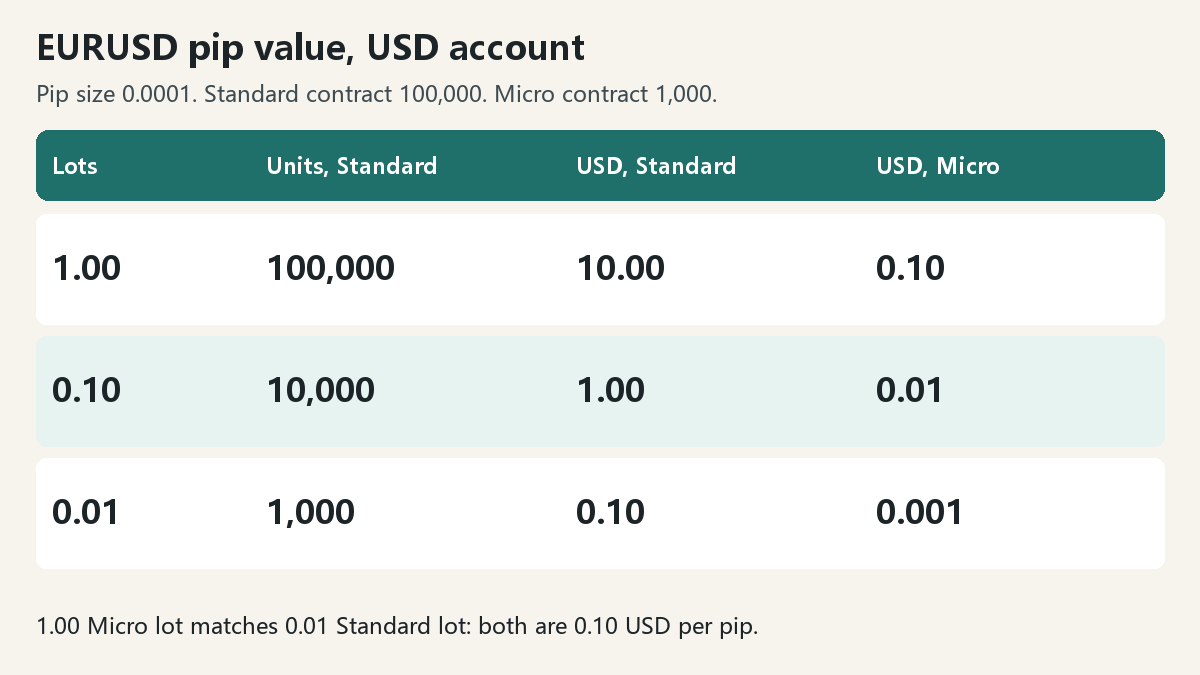
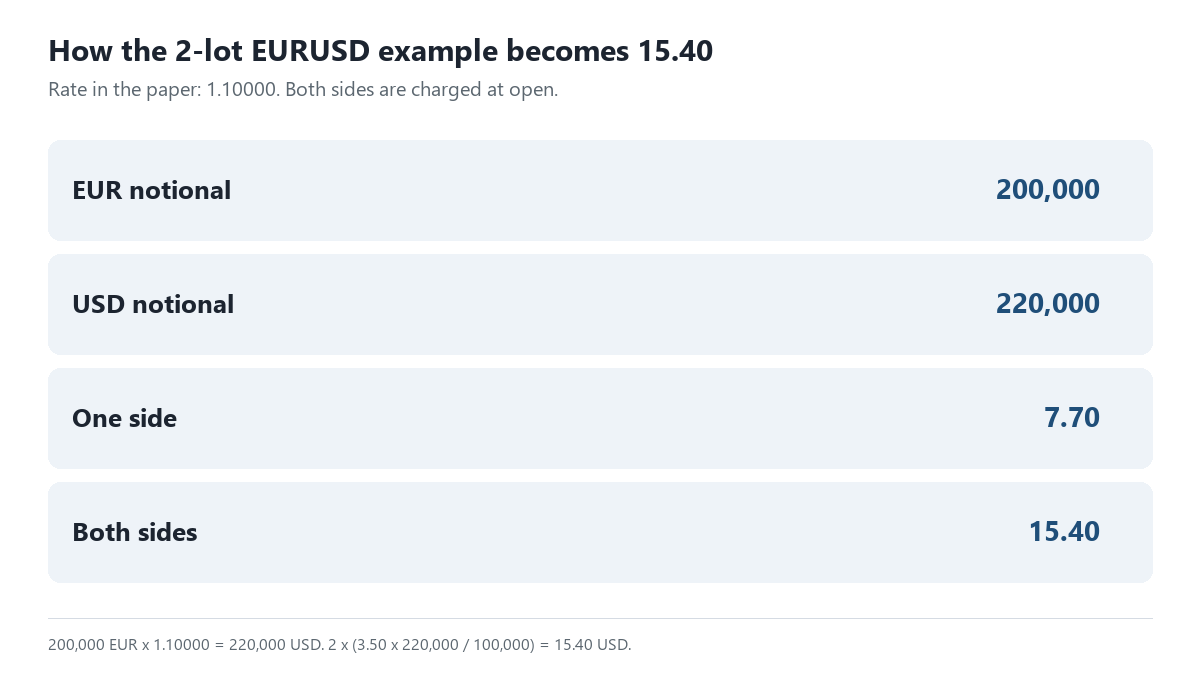
There are two details worth not glossing over. First, “per lot” requires a contract-size definition: forex pairs, metals, indices and different account structures may not use the same economics. Second, a rate can be quoted per side or per completed round turn. Comparing those without adjustment can make one offer appear twice as large as it really is.
How an XM rebate affects trading costs
A rebate can reduce the net cash cost of an eligible trade, but it does not change the spread displayed at execution or remove the other costs and risks attached to trading. Start with the whole trade rather than the rebate headline.
Gross trading cost = spread cost + commission + swap/financing + conversion or payment charges + slippage + other applicable fees
Net cash cost after rebate = gross trading cost − confirmed, eligible rebate
| Cost component | What to verify | Does a rebate automatically remove it? |
|---|---|---|
| Spread | Actual or typical spread for the same instrument and session | No. A later credit may lower net cost but does not alter the original quoted spread. |
| Commission | Whether it is charged per side or round turn | Only if the programme expressly calculates a rebate against it. |
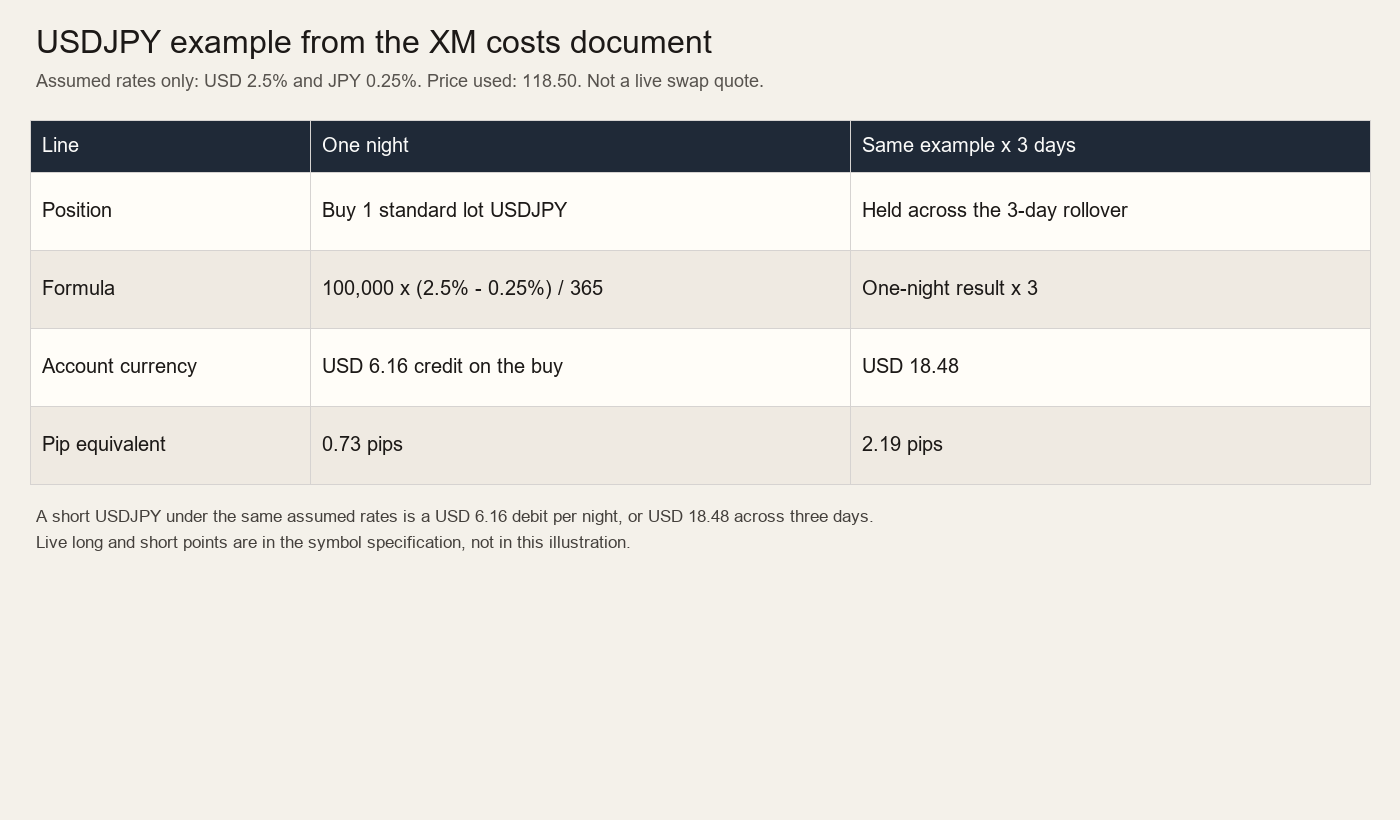
| Swap or financing | Overnight debit or credit, holding period and account terms | No. It is a separate part of the trade economics. |
| Slippage and execution | Difference between intended and executed prices | No. |
| Conversion or withdrawal charges | Payout currency, conversion timing and payment-provider charges | Not unless the terms explicitly say so. |
An illustrative calculation
Assume, solely for illustration, that a trader closes two eligible round-turn lots. If the combined spread, commission, swap and other attributable costs equal USD 40, and the documented rebate is USD 3 per eligible round-turn lot, the estimated rebate is USD 6. If it is later confirmed and withdrawable, the estimated net cash cost is USD 34.
The calculation does not say the two trades were good trades. A market loss, adverse execution or an excluded transaction can be much larger than USD 6. For a rate estimate, use the site’s Forex Cashback Calculator; then reconcile the result against the account history and the current programme terms.

Why the highest rebate is not always the lowest-cost choice
Two accounts can advertise very different cashback rates yet have the opposite net-cost result. A larger rebate may coexist with a wider spread, higher commission, different contract size, slower payment, stricter exclusions or a less suitable legal entity. Compare like with like: same instrument, equivalent account type, similar trading period, same volume definition and every relevant charge in one currency.
For a fuller calculation method, see how to calculate forex cashback and effective trading cost. To inspect the broker profile and account-condition context, use the site’s XM broker overview. Neither resource replaces the current client agreement or programme terms.
What to check before relying on an XM rebate rate
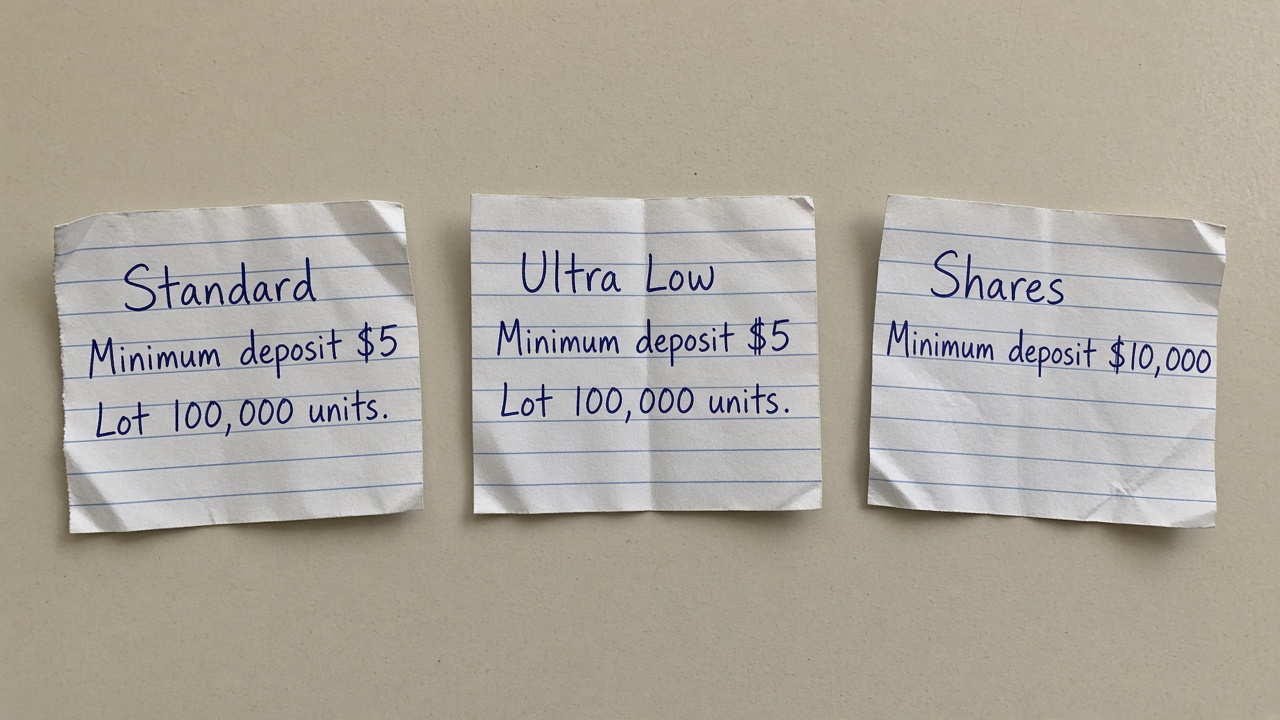
Confirm the legal entity serving the account and whether the offer is available in the client’s location.
Get the current rate and calculation basis for the exact account type and instrument.
Check whether the figure is per side, per round turn, in pips, cash per lot, or a percentage of a cost component.
Confirm whether new accounts, existing accounts, account transfers and particular platforms can qualify.
Read exclusions for trade duration, symbols, copied or offsetting trades, chargebacks and prohibited activity.
Check when a credit becomes confirmed, where it is posted and whether it is withdrawable.
Keep a trade ledger with ticket IDs, closed volume, cost fields, estimated rebate, credited rebate and reversals.
If the expected credit does not appear, do not assume a calculator estimate is a payment confirmation. Work through the account link, closed eligible volume, instrument, settlement period and programme exclusions first. The site’s XM cashback not received guide outlines a structured way to check those stages without sharing passwords, one-time codes or full payment-card details.
A note for Indian residents
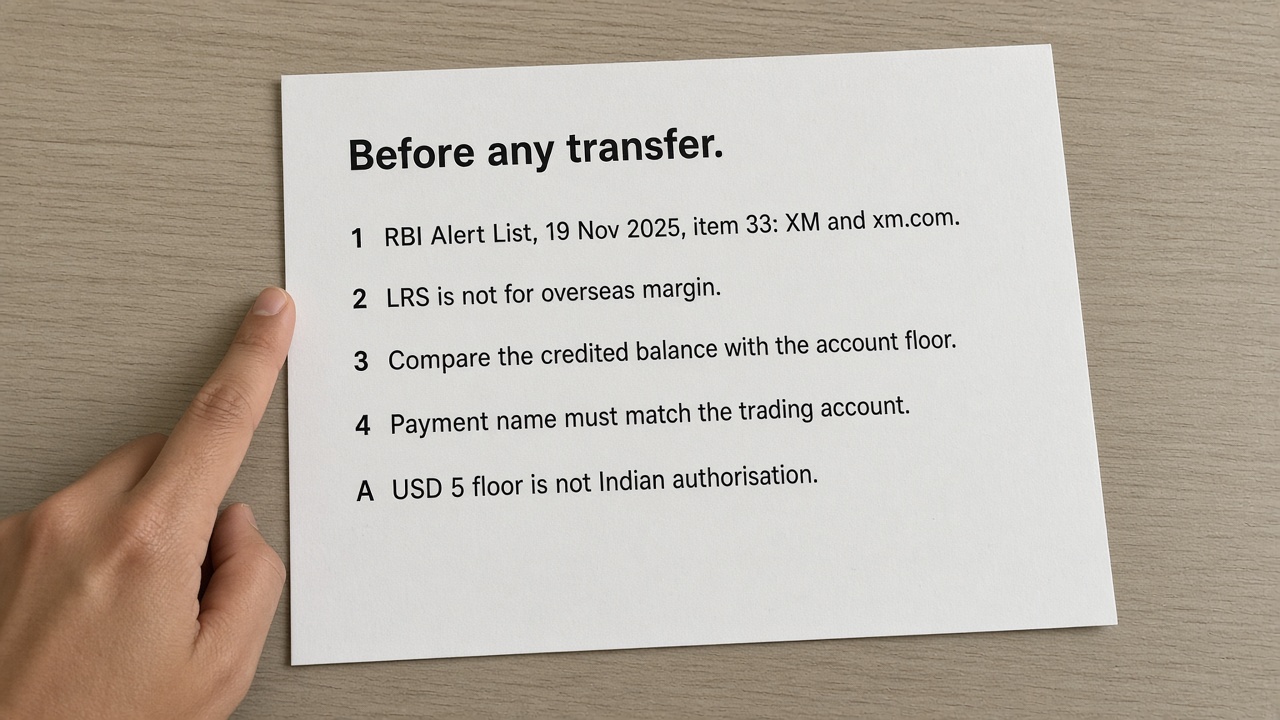
Cashback eligibility and local permission are different questions. The Reserve Bank of India’s forex FAQ says resident persons may undertake forex transactions only with authorised persons and for permitted purposes; electronic transactions should be undertaken only through RBI-authorised electronic trading platforms or recognised stock exchanges, subject to the applicable rules. Review the RBI’s Foreign Exchange Transactions FAQ and current official lists before opening, funding or linking an account.
An overseas licence, a partner link or a rebate calculation does not by itself establish Indian authorisation. For the site’s India-specific research checklist, read Is XM regulated in India?. This article is educational information, not legal, tax or investment advice.
Use a rebate as a record-keeping item, not a trading reason
A rebate is most useful when it is measured against trading activity that was already planned, suitable and permitted. Chasing turnover to create a credit can add spread, commission, financing exposure and market risk that exceed the rebate. Keep position size and risk limits independent of the offer; the site’s Position Size and Risk Calculator can help with a planning estimate, but it cannot make leveraged trading safe.
XM’s official regulation page also makes clear that the legal entity and client protections matter. Check the entity named in the account documents rather than applying a regulatory statement from a different jurisdiction to the account you are considering. See XM’s regulation page and the applicable legal documents.
Risk and disclosure note
Forex and CFD trading can result in substantial losses, especially when leverage is used. Cashback may offset part of an eligible transaction cost; it does not reduce market, counterparty, execution, margin, financing or regulatory risk. xmforexcashback.in may receive compensation in connection with partner arrangements; readers should review the applicable disclosure and current terms before acting.
Frequently asked questions
What is XM rebate in simple terms?
An XM rebate is generally a conditional credit related to eligible trading activity under a particular partner or rebate programme. It can reduce part of the trading cost after approval, but it is not trading profit and may not apply to every account, instrument, entity or location.
Is an XM rebate the same as forex cashback?
Often, yes. “Cashback” and “rebate” commonly describe a return of part of partner or broker revenue connected with eligible activity. The important details are the calculation basis, account attribution, exclusions, payment timing and whether the balance can be withdrawn.
Does an XM rebate make a losing trade profitable?
No. A rebate may offset a limited eligible cost, but it does not change the market result. Price movement, spread, commission, swap, slippage and other charges can still create a loss much larger than the rebate.
How is an XM rebate calculated?
The method depends on the programme. It may use eligible closed lots multiplied by a cash or pip rate, or a percentage of a defined cost or partner commission. Confirm the instrument, account, contract size, per-side versus round-turn treatment, payout currency and exclusions before estimating a result.
Are all XM account types eligible for cashback?
Do not assume so. Eligibility can depend on the serving entity, country, account type, instrument, registration or transfer route and the current partner programme. Obtain confirmation for the exact account before treating a rate as applicable.
When is an XM rebate credited?
Timing depends on the programme and verification cycle. The publicly available XM Auto-Rebates document describes weekly crediting in that programme, but the terms applicable to a particular entity or offer may differ. Treat a pending estimate as unconfirmed until the relevant statement shows the credit.
Can an existing XM account be linked to a rebate programme?
That depends on the applicable entity and partner rules. Some programmes require attribution during registration, while others may have an account-transfer process or may exclude existing accounts. Get written confirmation for the account ID rather than relying on a general promotion page.
Why is my expected XM cashback missing?
Common causes include missing account attribution, ineligible account types or instruments, unclosed volume, settlement delays, exclusions, tier changes, rounding or reversals. Compare the trade IDs and closed volume with the programme terms, then contact the relevant support channel without disclosing sensitive credentials.
Is a larger XM rebate always a better deal?
No. Compare total effective cost, including actual spread, round-turn commission, swap, conversion charges and execution quality. A larger rebate can still leave an account with a higher net cost or less suitable terms.
Does an XM rebate prove that trading is allowed in India?
No. A rebate offer addresses programme eligibility, not Indian regulatory status. Indian residents should verify the authorised person, electronic trading platform and permitted transaction using current RBI and other relevant official sources before taking action.