An XM rebate and a deposit bonus can both appear to add value to a trading account, but they work at different points in the journey. A rebate is generally a conditional credit connected with eligible trading activity; a deposit bonus is promotional trading credit connected with an eligible deposit. Neither one is trading profit, a substitute for risk management, or proof that a product is available to a particular Indian resident.
For anyone searching “XM rebate vs bonus,” the practical question is not which headline looks larger. It is whether the exact account, legal entity, location, instrument, payment route and current terms make the offer relevant to you. This guide separates the two mechanisms without treating either as a reason to take a larger trade.

XM rebate vs bonus: the direct difference
An XM rebate is normally a post-trade, programme-specific cost credit. It may be connected with an introducing partner, an eligible account and a defined trading volume. A deposit bonus is promotional credit tied to an eligible deposit and may affect the margin displayed in an account. Those are not interchangeable outcomes: one may offset a portion of trading cost after eligible activity, while the other may provide trading credit subject to separate conditions.
| Question | Rebate / cashback | Deposit bonus |
|---|---|---|
| What normally triggers it? | Eligible completed trading activity under a specified programme or partner arrangement. | An eligible deposit under a specified promotion. |
| What does it seek to change? | It may reduce a portion of the net cost of eligible trades after the fact. | It may add promotional trading credit or margin; it does not automatically reduce spread or commission. |
| Can you withdraw it? | Never assume so. The payment route and withdrawal status depend on the applicable programme terms. | XM’s public bonus page says bonuses are not withdrawable. Check the terms for the entity and promotion offered to you. |
| What can change eligibility? | Attribution, account type, instrument, trade conditions, territory and programme exclusions. | Country/entity availability, account status, qualifying deposit, timing and promotion terms. |
| Does it reduce market risk? | No. A credit does not protect a position from losses. | No. Extra margin can enable more exposure; it does not make that exposure safer. |
That distinction matters because a bonus may look like a balance increase while leaving the underlying spread, commission, swap and market-risk profile unchanged. A rebate may lower part of an eligible trading cost, but it arrives only if the applicable conditions are met. Read the fuller guide to how XM cashback programmes can work before treating either label as a fixed account feature.
How each mechanism is typically triggered
1. A rebate follows eligible trading activity
In a partner-rebate structure, a client account must first be correctly associated with the relevant programme. Eligible trades are then assessed against the rate, instruments, account type and exclusions that apply. The credit may be reflected in an account, a partner dashboard or another payout route, depending on the arrangement. Timing is also conditional; it can depend on reconciliation rules and the programme cycle.
XM’s public Auto-Rebates Program document describes an example in which an introducer can share part of its commission with a client. It says the amount may depend on the instrument and programme specifications, and that plans may have different terms. Treat that document as a starting point for questions, not as a promise that every XM entity, account or country offers the same rate or route today.
2. A deposit bonus follows an eligible deposit
A deposit bonus usually begins before a trade: a qualifying deposit is made while a promotion is available to the account. XM’s public deposit bonus information states that availability and the percentage can vary by region, that the bonus is trading credit, and that bonuses are not withdrawable. The page also directs clients to applicable terms and conditions. Do not infer availability from a general marketing page; the account’s contracting entity and country controls matter.

It is possible for programme terms to address more than one incentive at once, but you should not assume they can be combined, credited on the same timeline or treated as cash. Ask for the live terms that apply to the exact account before depositing or trading to qualify.
Eligibility and withdrawal checks that change the answer
Two people using the same brand name may still face different conditions if they register through different legal entities, jurisdictions, campaigns or partners. For an XM rebate versus bonus comparison, these are the checks that deserve a written answer:
Legal entity and residence: Which XM entity would contract with you, and is the programme currently available for that residence?
Account and platform: Does the rate or promotion apply to the precise account type and platform you plan to use?
Attribution: Is the account correctly linked to the partner or campaign before eligible activity begins? Can an existing account be relinked?
Instrument and trade rules: Which symbols, lot sizes, holding periods or trading styles are excluded? Are cancelled, hedged or abusive-volume trades treated differently?
Credit destination: Is the rebate credited to the broker account, a separate wallet or another route? Is it withdrawable, usable only as margin, or subject to a threshold?
Withdrawal and cancellation: What happens to promotional credit if you withdraw funds, close an account or breach a term?
Effective date: What was the checked date, and where is the official version of the terms?
“Eligible” does not mean “recommended.” A promotion can be available yet still be unsuitable for a trader’s budget, experience or risk limits. If the main concern is whether a rebate has been recorded after trading, use the site’s XM cashback not received troubleshooting guide rather than placing extra trades in an attempt to trigger it.
Trading cost versus available margin: do not mix the two
The cleanest way to compare an XM rebate and a bonus is to keep cost and margin in separate columns.
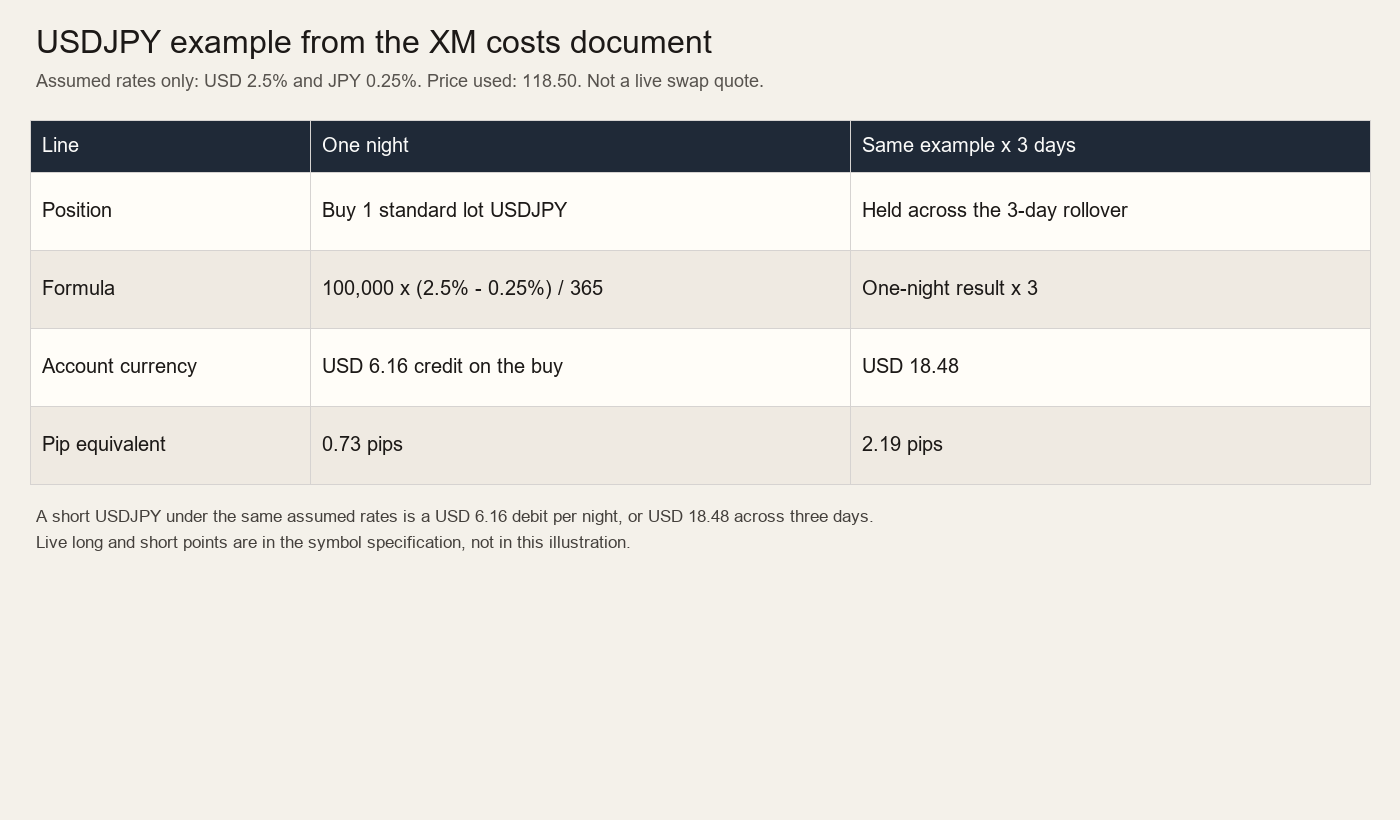
Trading cost: spread, commission, swap/financing where applicable, conversion costs and any other account charges. An eligible rebate may offset part of this after qualifying trading activity.
Available margin: the funds and credit that may support open positions. A non-withdrawable deposit bonus can affect this figure, but does not make a losing position less likely or turn the credit into cash.
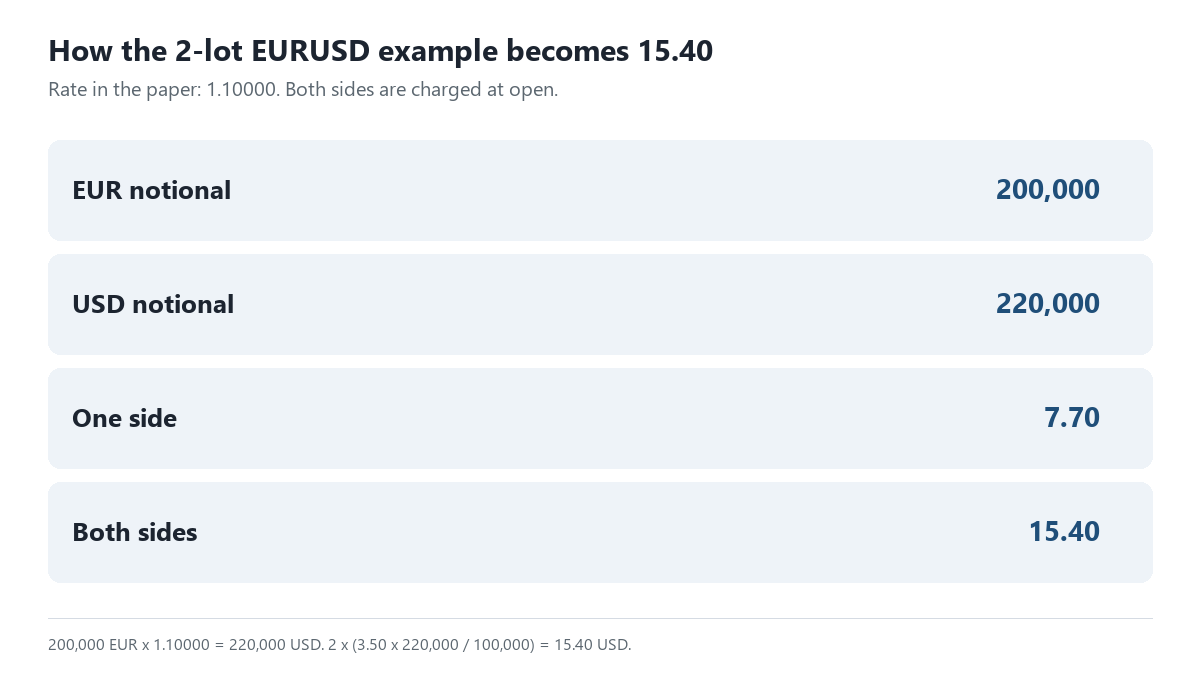
For example, a trader should first calculate expected costs from actual trade parameters. Then, if a documented rebate applies, calculate the potential credit separately and only for eligible volume. The result is an estimate of net cost—not a forecast of profit or loss. The forex rebate per-lot and net-cost guide explains that calculation logic, and the forex rebate calculator can help model a stated rate. Recheck rates and eligibility against current terms before relying on any estimate.
Risk, terms and India-specific checks
Incentives can make an account interface feel more generous than the cash that is genuinely withdrawable. That creates three recurring risks: confusing promotional credit with cash, trading additional volume only to chase a rebate, and letting extra margin lead to a larger position. None of these mechanisms changes the fact that leveraged trading can result in rapid losses.

For Indian residents, promotion eligibility is not a regulatory answer
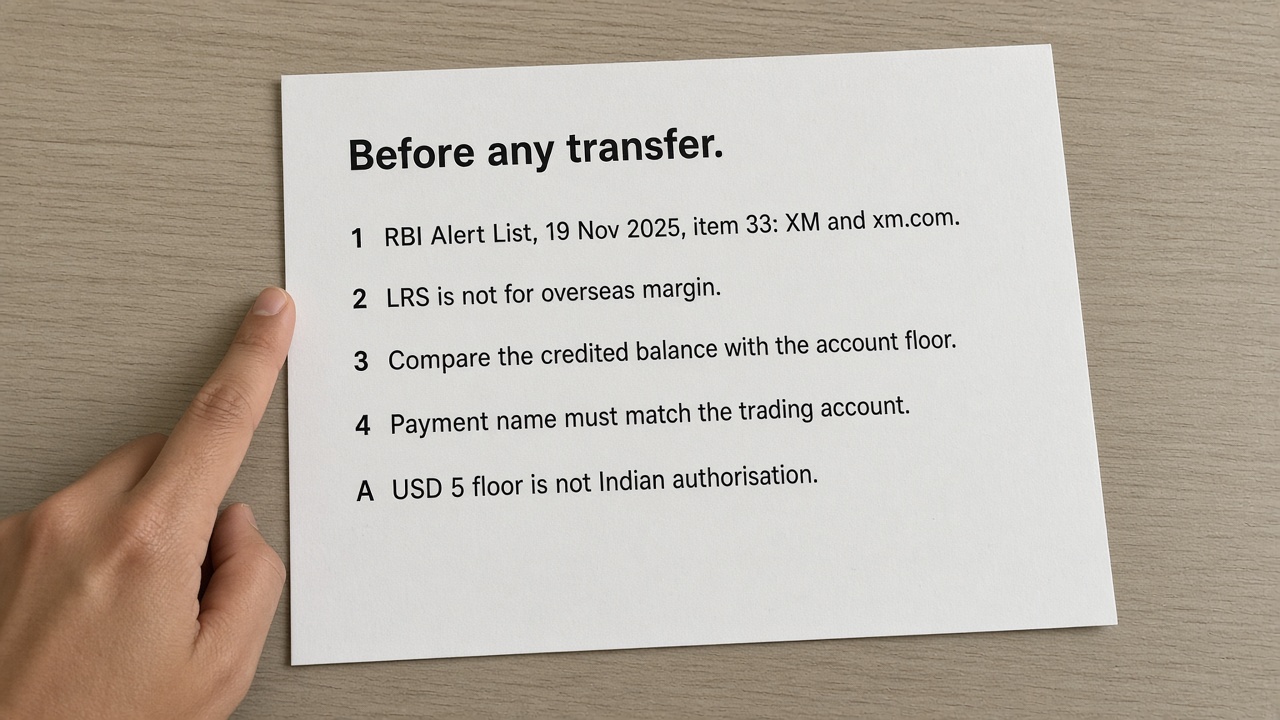
The Reserve Bank of India (RBI) says resident persons should undertake forex transactions only with authorised persons and for permitted purposes, and that online forex transactions should use RBI-authorised electronic trading platforms or recognised exchanges where relevant. Consult the RBI’s forex-trading FAQ and current official sources before funding or using any account. A cashback rate, deposit bonus, broker website or partner statement does not establish that a transaction is permitted for you.
For a practical background check, see how to assess XM regulation claims for India. Verify the current legal entity, licence and applicable RBI information directly; regulation, product access and promotional availability can change.
Risk disclosure: Forex and CFDs are high-risk leveraged products. You can lose money quickly, including more than an expected cost credit could ever offset. This page is educational information, not investment, legal, tax or regulatory advice.
A practical checklist before comparing an XM rebate with a bonus
Use this sequence to avoid making a decision from a headline percentage alone:
Confirm whether you are eligible for the exact programme under the correct legal entity and residence.
Read the current official terms, including exclusions, expiry, cancellation and withdrawal consequences.
Separate cash, withdrawable rebate and non-withdrawable trading credit on your own notes.
Calculate trading cost from spread, commission and financing first; model any rebate only after that.
Set position size from risk, not from bonus-supported margin.
Independently check Indian regulatory requirements before transferring money or placing a trade.
The outcome may be that neither incentive changes your decision. That is a valid conclusion when the terms are unclear, the funds are needed for other purposes, the regulatory position is uncertain or the extra margin would lead you to exceed your risk plan.
Affiliate disclosure: xmforexcashback.in may receive compensation when readers use certain links or partner services. Compensation does not remove the need to verify terms independently and should not be treated as a recommendation or a promise of results.
Frequently asked questions
What is the main difference between an XM rebate and a deposit bonus?
A rebate is generally a conditional credit connected with eligible trading activity, while a deposit bonus is promotional trading credit connected with an eligible deposit. Their availability, timing, withdrawal status and restrictions depend on the applicable terms.
Is an XM deposit bonus withdrawable?
XM’s public bonus information says bonuses are not withdrawable. Check the current terms for the legal entity, account and region offered to you before depositing.
Is an XM rebate always withdrawable?
No. A rebate’s payment route and withdrawal status are programme-specific. Confirm whether the credit is cash, account balance, margin-only credit or paid through another route.
Does a deposit bonus reduce spread or commission?
Not by itself. A deposit bonus may affect promotional trading credit or margin, whereas spread and commission are trading-cost components. Check the account’s live pricing and promotion terms separately.
Can I use an XM rebate and a deposit bonus together?
Do not assume that you can. Whether incentives can coexist depends on the specific programme, partner attribution, account, legal entity and current promotion terms.
Why can eligibility vary by location?
A broker may use different legal entities, promotions and product rules across regions. Availability stated on a general page may not apply to a particular residence or account.
What happens if I withdraw funds after receiving promotional credit?
The answer depends on the promotion’s current terms. Before depositing, check whether a withdrawal changes, removes or limits the promotional credit and how that may affect open positions.
Is a bonus safer than a rebate?
Neither incentive makes leveraged trading safe. A bonus can increase available margin and a rebate can lower part of an eligible cost, but neither prevents market losses or replaces disciplined position sizing.
Does an XM promotion confirm that forex trading is allowed in India?
No. Offer availability is separate from regulatory permission. Indian residents should review current RBI guidance and obtain appropriate professional advice where needed.
What should I verify in an XM rebate vs bonus comparison?
Verify the contracting entity, residence eligibility, account type, live terms, withdrawal status, exclusions, trading costs and your own risk limit. Do not make the decision from a headline percentage alone.